All You Need To Know About 11 Plus Exam Preps (e.g. “ Is Grammar School compulsory?)

What is the 11 Plus? When Should You Start Preparing? Is Grammar School Compulsory?

Today, we’re talking about the 11 Plus exam—what it is, when you should start preparing your child, and whether grammar school is even necessary. I wish I had known all this earlier, and I don’t want you to make the same mistakes I did!”

For those who don’t know, I used to be a primary school teacher in a local primary school. But when I first heard about the 11 Plus, I realized I didn’t know much about it. So I decided to self-teach myself the 11 Plus subjects—maths, English, verbal reasoning, and non-verbal reasoning. Now, I work as a private tutor, specializing in preparing kids for the 11 Plus, and I offer both face-to-face and online Zoom classes. If you need support for your child, feel free to reach out in the comments below!

Now, let’s break it all down!

First things first—what is the 11 Plus? The 11 Plus is an entrance exam taken by Year 5 students in England for admission into selective grammar schools in Year 7. It tests four key areas: verbal reasoning, non-verbal reasoning, English, and maths.

Not all areas in the UK have grammar schools, but in places like London, Kent, and Buckinghamshire, they are highly competitive. These schools are known for their strong academics, and because they’re state-funded, they’re free!

But here’s the catch—unlike regular secondary schools, your child must pass this exam to get in

When Should You Start Preparing?

Now, let’s talk about preparation. A lot of parents don’t realize that you need to start early. Ideally, you should begin light preparation in Year 3 or Year 4. Why? Because the 11 Plus is tough, and competition is fierce!

I personally didn’t know much about it until it was too late for my son, and I regret not starting early. Many kids who pass the 11 Plus start preparing years in advance, using books, online resources, and even tutors.”

Here’s a simple timeline for preparation:*  

✅ Year 3 – Light reading, comprehension, and mental maths

✅ Year 4 – More structured learning with past questions

✅ *Year 5 – Full exam practice and timed papers

If you’re serious about grammar school, don’t wait till Year 5 to start!

As a tutor, I always tell parents—consistency is key. Small, daily practice is better than cramming at the last minute. If you’d like me to support your child with their 11 Plus journey, whether in-person or online via Zoom, just drop a comment below!

Is Grammar School Compulsory?

Now, let’s answer the big question—“does your child *HAVE* to go to a grammar school? The short answer is NO! While grammar schools offer great academic opportunities, they are not the only way for your child to succeed.

There are excellent comprehensive schools, academies, and even private schools, depending on your preference and budget. It all depends on what works for your child and your family.

The key is to research your local schools, check their Ofsted ratings, and see what’s best for your child’s needs.

So, to wrap up—if you’re considering grammar school for your child, start early, be consistent, and use the right resources. But if grammar school isn’t for you, don’t worry—there are many other paths to success!

I’d love to hear from you! Are you preparing your child for the 11 Plus? Do you have any tips or concerns? Drop a comment below, and let’s chat.

And if you found this post helpful, don’t forget to like, share, and subscribe for more content on parenting and education in the UK.

HOW TO REGISTER?

To register, the school’s 11+ Application Form and the Local Authority Common form (CAF) must both be completed. There are two stages in the 11 Plus application process for 2025; Parents have to apply directly to the grammar schools of their choice, by June-October 2025

Registration for the 2025 Bexley Selection Test will open on 1 May 2025 and close at midnight on 31 May 2025 for children entering secondary school in September 2026. Late registrations will not be accepted.

Information is Key!

This article is just a guide and I hope you find it helpful .

But Please make sure you do your own research.

Thanks for reading and have a lovely day🙏🏾

Ms Olu ❤️❤️

(Below are some CGP practice papers that you can use for the 11+ preparation. You can get them on Amazon)


MOTHERS, PLEASE DON’T STOP PRAYING FOR YOUR CHILDREN (May Our children continue to be the source of our Joy) 

I grew up in a home where my mother prays for us. She will wake us all up as early as 5am everyday to pray and read the Bible. 

If we had an upcoming exam she would pray for us, and if we were sick we would pray to feel better. 

And I am grateful that I had a praying mother! My life and that of my siblings is a testament that God answers our mothers prayers over us. 

But lately I sometimes forget to pray for my children. May God help me o. 🙏🏾😊

In addition I haven’t really prayed the Scriptures on my kids  and I think there is a power that comes from that.

God says in Hebrews His word is active and alive. And  in Isaiah, My word doesn’t he doesn’t return void always accomplish it’s purpose for which it send. So over and over again in scripture we see the power of Gods word.

The more we allow scripture in our minds and we read it and dig into it, the more our desires in our prayers are going to line up with the things we already want to do. So that’s how I think praying the scriptures can really be transformative for a parent 

I started really praying with my son when I noticed that he is always angry and acting out in school.

I would say God is still writing his stories like He is still writing mine. So I would never say they are there yet, but I have seen the difference in praying for my son. 

Although my other children are adults and doing their own thing, I still pray for them daily.  

May God help all mothers, give us the grace to stand in gap as prophets over our family. May He give us the spirit of discernment.

SO DEAR MOTHERS DO NOT SLEEP!

PRAY FOR YOUR KIDS DAILY

My Prayer for our children 🙏🏾 

Our Children Will walk in their purpose:

They will walk in their calling.

They will walk in their destiny in life and it shall be fulfilled.

No man, no death, no evil eye will be able to stop them in Jesus’ name! Amen 

SAY This Prayers for your children (put your children’s name in the brackets)

Dear Lord, I pray that you grant my son (Tolu) Wisdom, self-control, self-discipline knowledge and understanding. May he become great and may he become a wise person and May you grant all his heart desires in Jesus’ Name!  Amen

I BLESS HIS LIFE 

I BLESS HIS WORK

I BLESS HIS BUSINESS

I BLESS HIS GOING AND COMING

MAY HE LIVE IN ABUNDANCE 

MAY HE BE IN GOOD HEALTH

MAY HE FIND THE LOVE OF HIS HEART

MAKE HIM THE MAN AFTER GOD’S Heart

BLESS HIM EVERYDAY 

BLESS HIM WITH GOOD FRIENDS 

AMEN 🙏🏾 

Ms Olu 💕

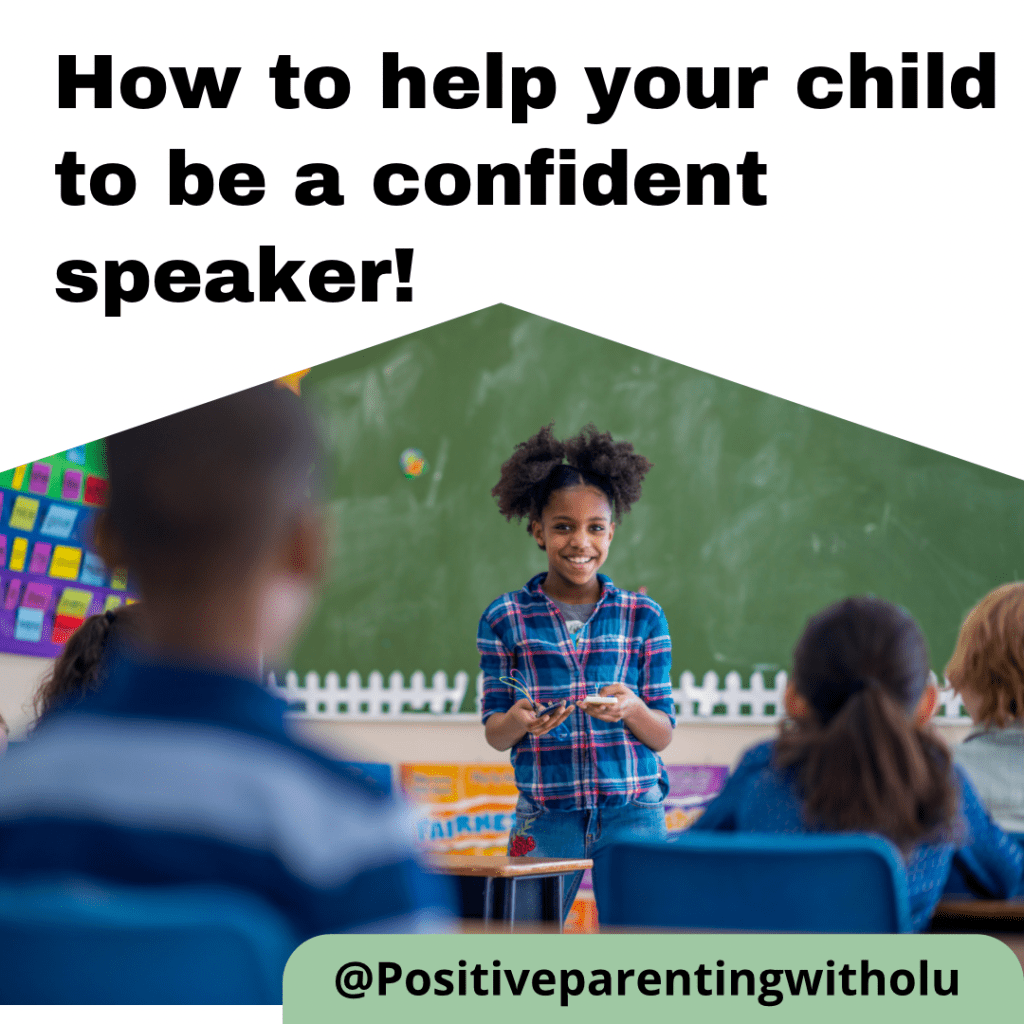
How to help your child to be a confident speaker!

I have been working with kids for a long time now and I can tell you that I have met some kids that are just naturally confident in the way they speak and interact with others.

While some are just too shy to speak in front of their classmates. Don’t get me wrong, every child is different.

What I have learnt from raising my own son to adulthood, is that kids don’t just know how to do things until we teach them or show them how to.

So if you are a parent who would like to encourage your child to be a confident speaker, then today’s post is for you.

Before I share some tips with you please remember that Rome was not built in a day. So be patient with your children they will get there with lots of practice and persistence is key.

So here we go:

1. Start by encouraging them to tell you about the story they just read, or they can talk to you about their day at school. ( this allows them to improve their pronunciation and helps them become confident communicators)

2. Whenever they are talking you this, please encourage them to look at you. (Eye Contact Matters)

Making eye contact with the you is crucial for effective public speaking. Encourage your child to connect with you or others by making eye contact, as this shows that they are speaking directly to you.

3. Another thing you can do is to allow them to make an order for food or ice. (talking to an adult will help them to be more confident speakers)

4. Encourage family story time and allow them to pick Pick a Topic They Like·

5. Let Them Practice With Speaking Their Siblings or friend  

My final thought

Developing these skills will help our children in whatever career they choose. Our children don’t have to be magnificent speakers but the more confident they are when they speak, the stronger their communication skills are.

I remembered the day my son came back from a work event, where he was expected to come out in front of his colleagues to speak about something and he said he was so nervous that he had to make an excuse and leave. Although now is better at public speaking.

But he blamed me for not enrolling him in a public speaking club when he was younger.

So if you have a child that you think needs some help speaking in public please enrol them in a public speaking club.

Empowering children with the confidence and abilities to speak publicly can have a profound impact on their futures.

ANNOUNCEMENT: 📣

During the Easter break, we are going to organise a PUBLIC SPEAKING Workshop for kids ages 6-11. I am organising this event with one of my friends who is a public speaking coach. The workshop is a 3-day events.

Stay tuned for more informations on the Workshop.

Ms Olu ❤️

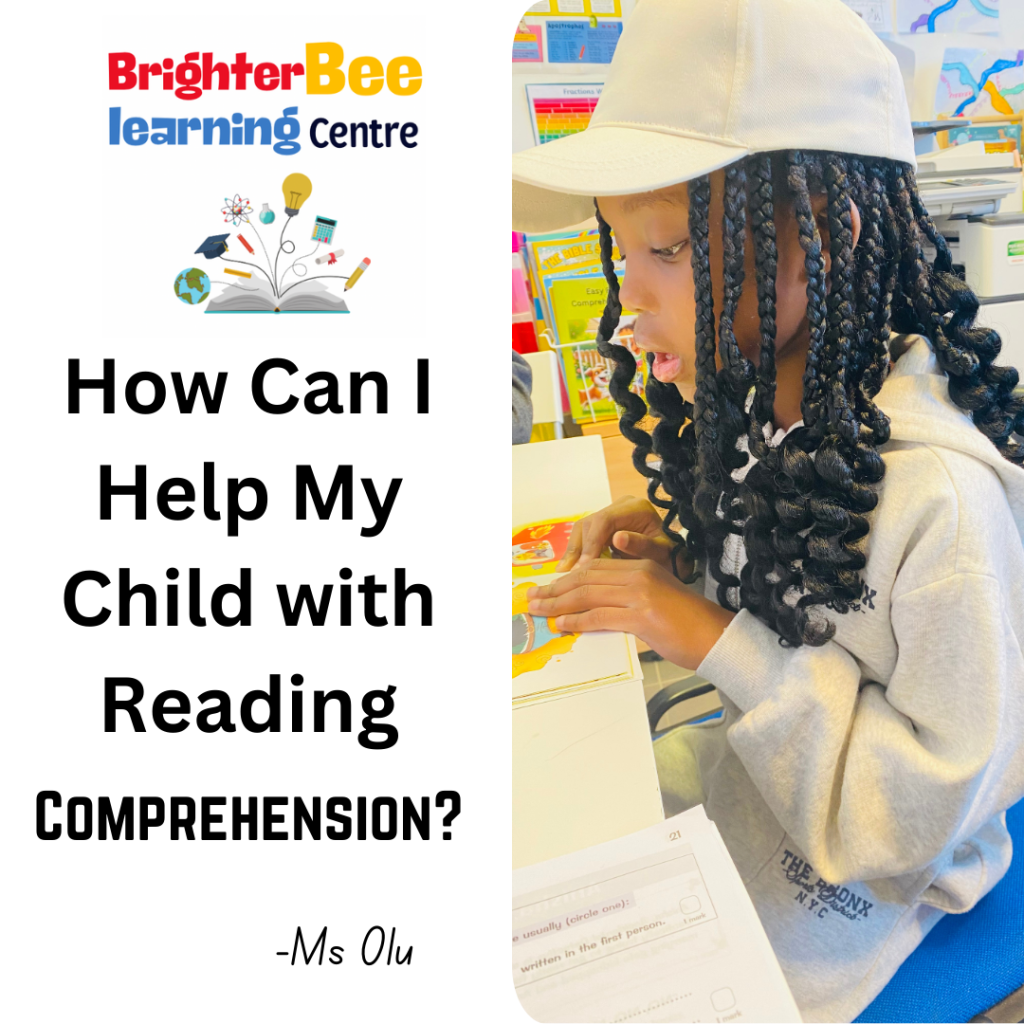
HOW TO HELP YOUR CHILD WITH READING COMPREHENSION AT HOME

When we read, we need to be able to understand what we read.

How do we get our children to read to understand?

Today I will be sharing five tips to help you do just that

Why is good reading Comprehension important?

Is important because they set a foundation in all subjects. 

When children have good comprehension, they can think critically, they can analyse, can problem-solve, and they can form opinions.

READING FOR UNDERSTANDING

How can we help our children?

We want to help them not just to read the word on the page, but to understand it. 

  1. ENCOURAGE ACTIVE READING: when your child is reading, ask them to summarise what they have just read
  2. ASK QUESTIONS: during reading you can ask some questions about what they’ve just read
  3. VISUALISE: ask him to visualise the story. What can they see?
  4. MAKE CONNECTIONS: 
  5. CHOOSE THE RIGHT BOOK: let them choose the book that interests them if your child likes gymnastics maybe you can give them to choose books on gymnastics. 
  6. CHOOSE THE RIGHT READING LEVEL BOOKS: Also make sure the book is their reading level. Don’t make it too easy or too challenging (Ask their teacher if you’re not sure about the reading level)
  7. READ ALOUD WITH EXPRESSION: this will help your children to understand the words on the pages as meaning too.
  8. CREATE A READING FRIENDLY ENVIRONMENT: Create a comfortable space for them to read at home.
  9. MODELLING: Are you showing your kids that you read? Let them see you read. 

Spending 10 minutes a day with your child is going to help them with their reading compression

We are helping them with reading for understanding. I need to be so worth it in the end.

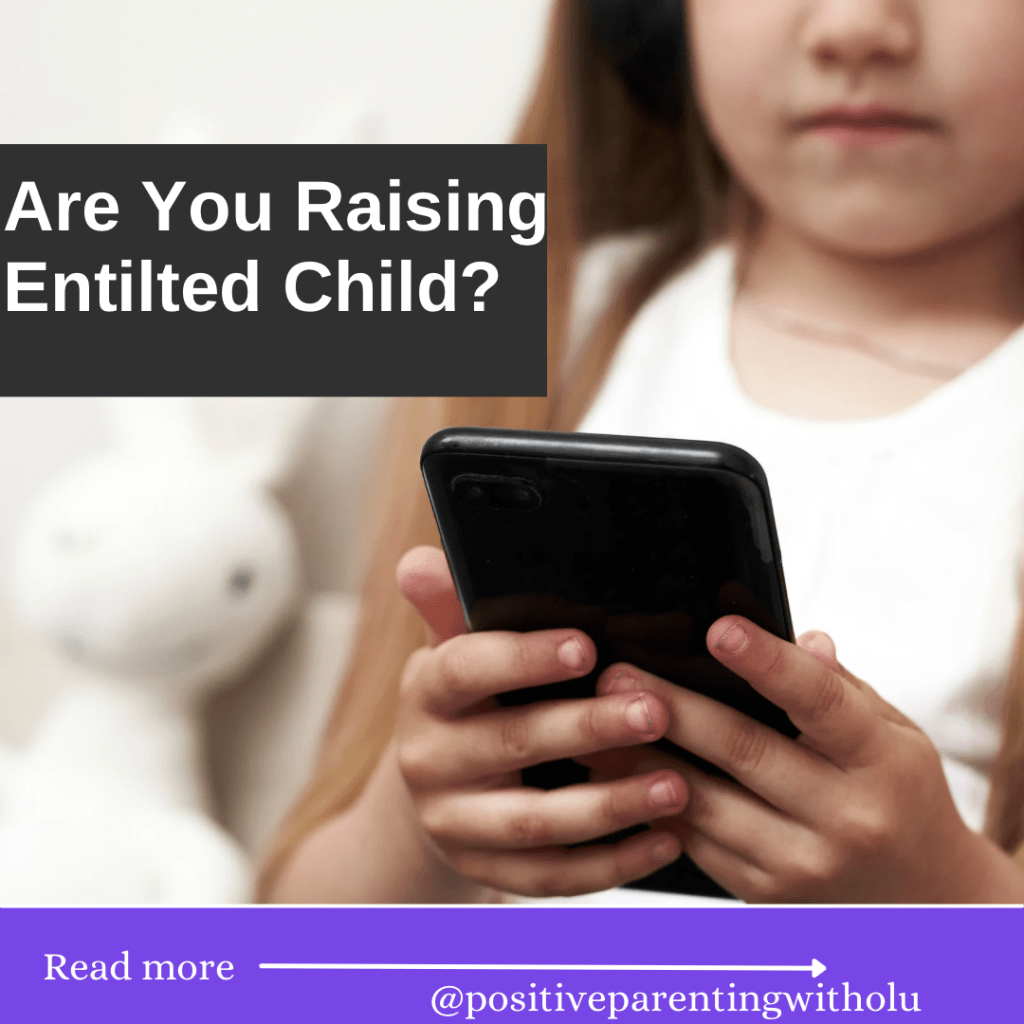
Are you raising an entitled child? 

Dear amazing parents, today is another Tuesday. If you have been following me you already know that I share parenting tips every Tuesday on this platform and on my blog.

Today’s post is very personal to me because I think I am guilty of this.

I still find myself doing things for my youngest son, the things that he is capable of doing himself just to keep him happy. (He will turn 21 next month)

Dear parents, when we drop everything to help our kids avoid unhappiness or disappointment, we teach them that their happiness is a top priority. Kids develop the entitled “What’s in it for me?” attitude whenever they’re asked to behave or show kindness. And when they face life’s setbacks, like not making the team, they’re unable to cope. 

I am sharing this so that you won’t make the same mistake as I did!

And if you have been overindulging your child please stop now before they are teenagers or young adults in my case.

 Because trust me if you don’t it may be hard to change them when they are in their teens.

Don’t get me wrong, there is nothing with helping your kids out sometimes. But when we do it often and it becomes a normal thing then that’s not going to help them in the long run.

As a parents and an educator I see the signs of entitlement in my son and some of my students. 

I see kids who won’t lift a finger to help out, who think the world revolves around them, who rarely show appreciation and empathy.  

So let’s use this scenario, 

You are in a grocery shop and your kids use to ask for your phone and you always give it to them because you don’t want them to cry. 

Maybe talk to them before leaving home and say this , “You’re really growing up, and I’m confident you can make it through the grocery store without my phone.” 

Then, help your kids develop some strategies for overcoming difficulties large and small from having to sit quietly through their uncle’s wedding to raising their maths grade.

WHAT TO DO INSTEAD:

Give kids what they are entitled to: your love and undivided attention every day. 

Simply spend at least 10 minutes a day individually with each child, on their terms, doing whatever they want to do during that time. 

Commit to it on a daily basis, and you can watch entitled behaviors melt away. 

Your kids will stop trying to get your attention in negative ways (like tantrums and negotiating) when they know they’ll get it in positive ways.

My final thought 💭 

It’s tempting to give children everything, but sometimes saying no is an act of love.  

Model the Behavior You Want to See:

If you practice gratitude, kindness, and responsibility, your child is more likely to follow your example.  

Entitlement can be corrected with consistent parenting. The goal isn’t to deprive children but to raise them to be grateful, responsible, and well-rounded individuals.  

Do any of these signs resonate with you? Share your thoughts in the comments!

Happy parenting 😊

Olu 😊

Why Setting High Expectations for Your Child from an Early Age Matters.


As parents, we all want the best for our children. We dream of them excelling in school, growing into confident individuals, and achieving great things.

But success doesn’t happen by chance—it starts with the expectations we set for them from a young age.  

Children rise to the level of expectations placed on them. When we believe in their potential, encourage them to work hard, and instill good habits early, they are more likely to develop the mindset and discipline needed to do well in school and beyond.  

Pushing a kid past their resistance point teaches the kids to overcome difficulty, which is a vital skill to have as an adult

However setting unreasonable expectations, – can be damaging to children’s performance. 

The key in setting realistic goals lies in knowing your child, so please don’t compare your children to other children. Every Child Is Different. 

There’s a difference between what she’s expected to know or do, and what she actually knows or can do.

I have seen some children who love it when they are challenged. And some are not so good under pressure. Because like we all know every child is different.  

And this does not mean they are not smart. They just learn differently

 Being aware and keeping track of your child’s abilities can help you determine how best to help her progress. 

RAISE YOUR EXPECTATIONS GRADUALLY.

A child gains confidence when he successfully completes a task, so give your children tasks within their abilities.

So when your child has mastered specific tasks and as she grows older, it is important to raise your expectations. Make tasks more difficult, but not too difficult, because failure can be harmful.

BE INTENTIONAL

You don’t lose weight by saying “I want to lose weight.” You lose weight by having a specific goal – “I want to lose 20kgs” – and then adopting specific habits, e.g. “No more cookies and chocolate except on special occasions.” In other words, you get to your objective by focusing on the means: “How will I lose 10kgs?” 

The same can be said about setting expectations. You don’t get your child to read fluently by saying, “I expect you to read fluently.” You help her develop small daily habits, like reading every day for 10 minutes by herself, establishing family read-aloud traditions.

My Final Thoughts 💭

Your belief in your child’s potential can be the driving force behind their success. By setting high but realistic expectations early, you are giving them the mindset, confidence, and discipline to excel—not just in school, but in life.  

Remember, the goal is not perfection but progress. With the right encouragement, your child will grow into someone who believes in themselves and works hard to achieve their dreams.  

How do you set expectations for your child? Let’s discuss in the comments!

Have a blessed week

Happy parenting

Olu ❤️

WHAT TO DO WHEN YOUR CHILD LIES! 

Lying is a normal part of childhood, but as parents, it can be frustrating and even concerning when our children aren’t truthful. Whether your child is telling a small fib about finishing their homework or making up a wild story to avoid trouble, your reaction can shape how they understand honesty and integrity. Instead of reacting with anger or punishment, it’s important to approach the situation with understanding, guidance, and clear expectations.  

Why Do Kids Lie?**  

Before addressing the behavior, it helps to understand *why* children lie. Some common reasons include:  

– **Avoiding trouble** – They fear consequences and hope lying will help them escape punishment.  

– **Wanting attention or approval** – Younger children may make up stories to impress others.  

– **Testing boundaries** – They may be curious about what they can get away with.  

– **Protecting feelings** – They don’t want to disappoint parents or hurt someone’s feelings.  

– **Imaginative storytelling** – Young children, especially under age six, sometimes struggle to separate fantasy from reality.  

How to Respond When Your Child Lies**  

1. Stay Calm and Avoid Overreacting**  

It’s tempting to get angry or call them out immediately, but responding with frustration can make them defensive. Instead, take a deep breath and calmly address the situation.  

2. Focus on Teaching, Not Punishing**  

Rather than harsh discipline, use the moment to teach the value of honesty. Ask open-ended questions like:  

– *“Can you tell me what really happened?”*  

– *“Why did you feel like you had to lie?”*  

– *“What could we do differently next time?”*  

This approach helps them reflect on their actions rather than just fear getting in trouble.  

3. Acknowledge Their Feelings**  

Sometimes, kids lie because they feel scared, embarrassed, or pressured. Let them know that it’s okay to make mistakes and that telling the truth is always the best choice. Saying something like, *“I understand why you didn’t want to tell the truth, but it’s important that we are honest with each other,”* can make them feel safe opening up.  

4. Set Clear Expectations About Honesty**  

Make it clear that honesty is a family value. You can say, *“In our family, we tell the truth because we trust each other,”* and remind them that lying can make it harder for others to believe them in the future.  

5. Praise Honesty**  

When your child tells the truth, especially in a difficult situation, praise them. Saying, *“I know it was hard to be honest, but I’m really proud of you for telling the truth,”* reinforces that honesty is the right choice.  

6. Be a Role Model**  

Kids learn by watching us. If they see us bending the truth—whether it’s pretending they’re younger for a discount or saying we’re “too busy” to do something we don’t want to do—they may think lying is acceptable. Strive to be a model of honesty in your own actions.  

When to Be Concerned**  

Occasional lying is normal, but if your child lies frequently, in ways that hurt others, or without guilt, it may be worth looking deeper. Chronic lying could be a sign of deeper issues like anxiety, low self-esteem, or difficulty managing emotions. In such cases, talking to a school counselor or therapist might be helpful.  

Final Thoughts**  

Lying is a common part of growing up, but how we react as parents can influence whether our children develop into honest, trustworthy individuals. By staying calm, encouraging open conversations, and reinforcing the value of truth, we can help our kids build a strong foundation of integrity.  

How have you handled lying in your home? Let’s share strategies and support each other in raising honest kids!

Thanks for reading 🙏🏾❤️

Olu 😊❤️

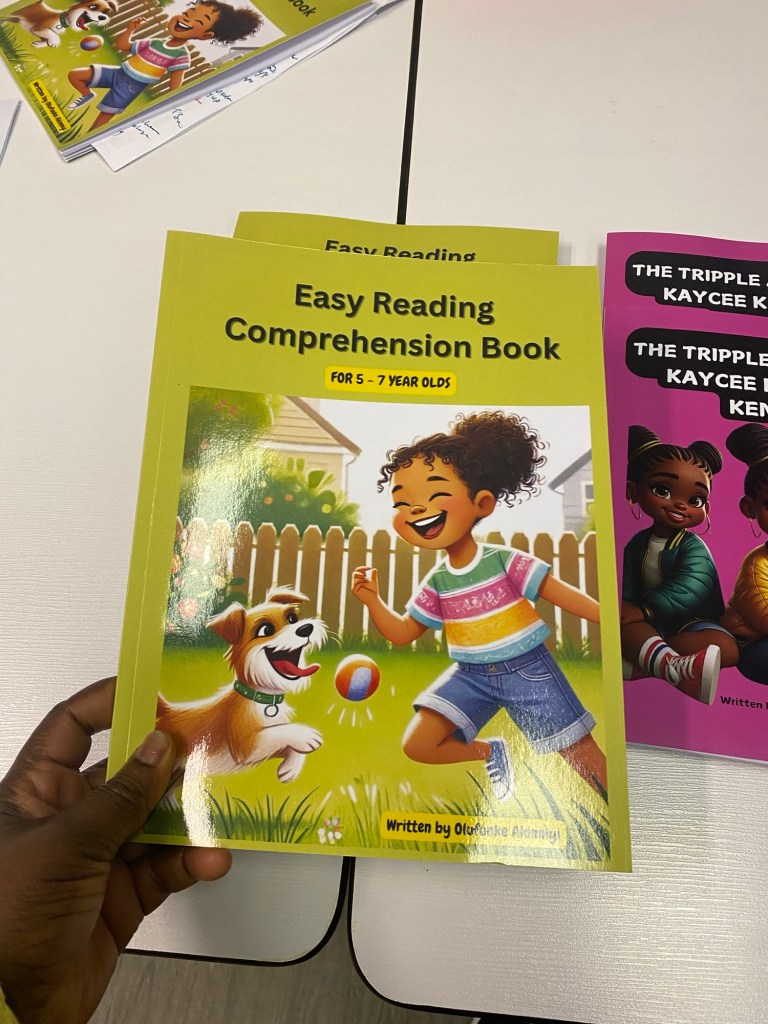
New Book Alerts 🎉🎉🎉🎉👏

New Book Alerts 🎉🎉🎉🎉👏👏👏

If your child is finding reading comprehension tasks tricky, then get them this book.
The book engages the child in a fun, interactive comprehension activity that develops their reading and understanding skills without making it feel like a typical comprehension task.

Its available on Amazon. Go on Amazon today to get one for your child today! #readingconprehension #book #author

Ms Olu

Children book Author

Private Tutor

HOW TO STOP REACTING TO EVERYTHING YOUR KIDS SAY 

Parenting comes with endless surprises—one minute your child is sweet and loving, and the next, they’re saying something that pushes all your buttons. 

Maybe they shout, “I hate you!” in a moment of frustration, roll their eyes at you, or complain about something that seems completely ungrateful. It’s easy to react emotionally, but learning to stay calm can make a huge difference in your relationship with your child.  

Here’s why—and how—you can stop reacting to everything your kids say.  

Why Reacting Isn’t Helpful 

  • Kids often say things they don’t mean. When they’re overwhelmed, frustrated, or tired, they might blurt out hurtful words. Reacting emotionally only escalates the situation.  
  • Your reaction teaches them how to handle conflict.

 If you respond with anger or frustration, they learn to do the same. Staying calm shows them how to regulate their emotions.  

– 

  • It keeps you in control.

When you react, you give your child power over your emotions. By staying composed, you model emotional strength and maturity.  

How to Stay Calm When Your Child Says Something Upsetting

 1. Pause Before Responding

Take a deep breath before saying anything. This gives you a moment to decide how to respond instead of reacting emotionally. A simple pause can prevent an argument from spiraling out of control.  

2. Don’t Take It Personally

Remember, kids are still learning how to express themselves. If they say something rude or hurtful, it’s often a reflection of their emotions in the moment—not their true feelings about you.  

3. Acknowledge Their Feelings Without Engaging in Drama

Instead of reacting, validate their emotions calmly. For example:  

– Child: “This is so unfair! I hate my life!”  

– You: “I know you’re upset right now. Let’s talk when you’re calmer.”  

This shows them you’re listening without escalating the situation.  

 4. Use a Neutral Tone

Kids are experts at picking up on your emotions. If you sound angry, sarcastic, or frustrated, they’ll likely mirror that energy. Instead, keep your voice calm and neutral.  

 5. Pick Your Battles  

Not every comment needs a response. If your child is just venting, sometimes the best thing you can do is ignore it and move on. Choose when it’s worth having a conversation and when it’s best to let it go.  

 6. Set Boundaries Without Emotion

It’s okay to correct disrespectful behavior, but do it without anger. Instead of saying, “Don’t you dare talk to me like that!” try:  

– “I won’t continue this conversation if you’re being disrespectful.”

– “Let’s take a break and talk when we’re both calm.”  

This reinforces boundaries while keeping the situation under control.  

 7. Model the Behavior You Want to See 

Kids learn by watching us. If you react emotionally, they will too. If you stay calm and composed, they’ll learn to manage their emotions better over time.  

 8. Practice Self-Care  

It’s much harder to stay patient when you’re stressed or exhausted. Prioritize your well-being—get enough rest, take breaks, and find time to recharge so you’re better equipped to handle tough moments.  

Final Thoughts

Your child’s words and emotions don’t have to dictate your reactions. By staying calm, setting clear boundaries, and modeling emotional regulation, you teach them how to handle conflict in a healthy way.  

Next time your child says something that triggers you, take a breath, stay neutral, and remember: your response shapes the way they learn to handle their own emotions.

Happy parenting

Olu ❤️

Dear young black boy,

A letter to all our boys: 

DEAR YOUNG BLACK BOY/TEENS: 

I hope this letter finds you well. I want to take a moment to share something that has been on my heart because I care about you deeply and want the best for your future.

You are growing up so fast, and with that comes more freedom to make your own decisions. But with freedom comes responsibility, and the choices you make now will shape the life you live later. That’s why it’s so important to surround yourself with people who bring out the best in you and inspire you to reach your potential.

I know it can feel good to have friends who are fun or popular, but not everyone has your best interests at heart. Some friends may encourage you to do things that aren’t right or that could get you into trouble. True friends will want to see you succeed, make good decisions, and treat others with respect. They won’t lead you down a path that could hurt you or your future.

You are an intelligent, kind, and capable young man, and I believe in you. I know you have the strength to say no to negative influences and choose the path that will lead to success and happiness. It may not always be easy, but staying true to your values will always be worth it.

Take some time to think about the people you spend the most time with. Are they encouraging you to make good decisions? Do they support your goals? If the answer is no, it’s okay to step back and focus on relationships that are healthier for you. Remember, it’s better to have a few good friends than a lot of bad ones.

Please know that I am always here for you, no matter what. If you ever need advice or just someone to talk to, my door is always open. I love you, and I’m so proud of the person you are becoming. Keep making good choices and striving for the best, because you deserve it.

With all my love,  

Ms Olu

Please save this post for later and share it with any boy in your life. 

Please dear parents of boys, please share today’s this post/letter with your sons. Stay on your knees and keep praying for your children! You will not cry over any of your children in Jesus’ Name -Amen 🙏🏾❤️

May God answer our prayers