UNDERSTANDING YOUR CHILD’S LEARNING STYLES

‼️Learning Styles: Identifying Your Child’s Strengths. 

Dear parents, we need to keep our eyes and ears open to figure out what works best for our children when it comes to learning. 

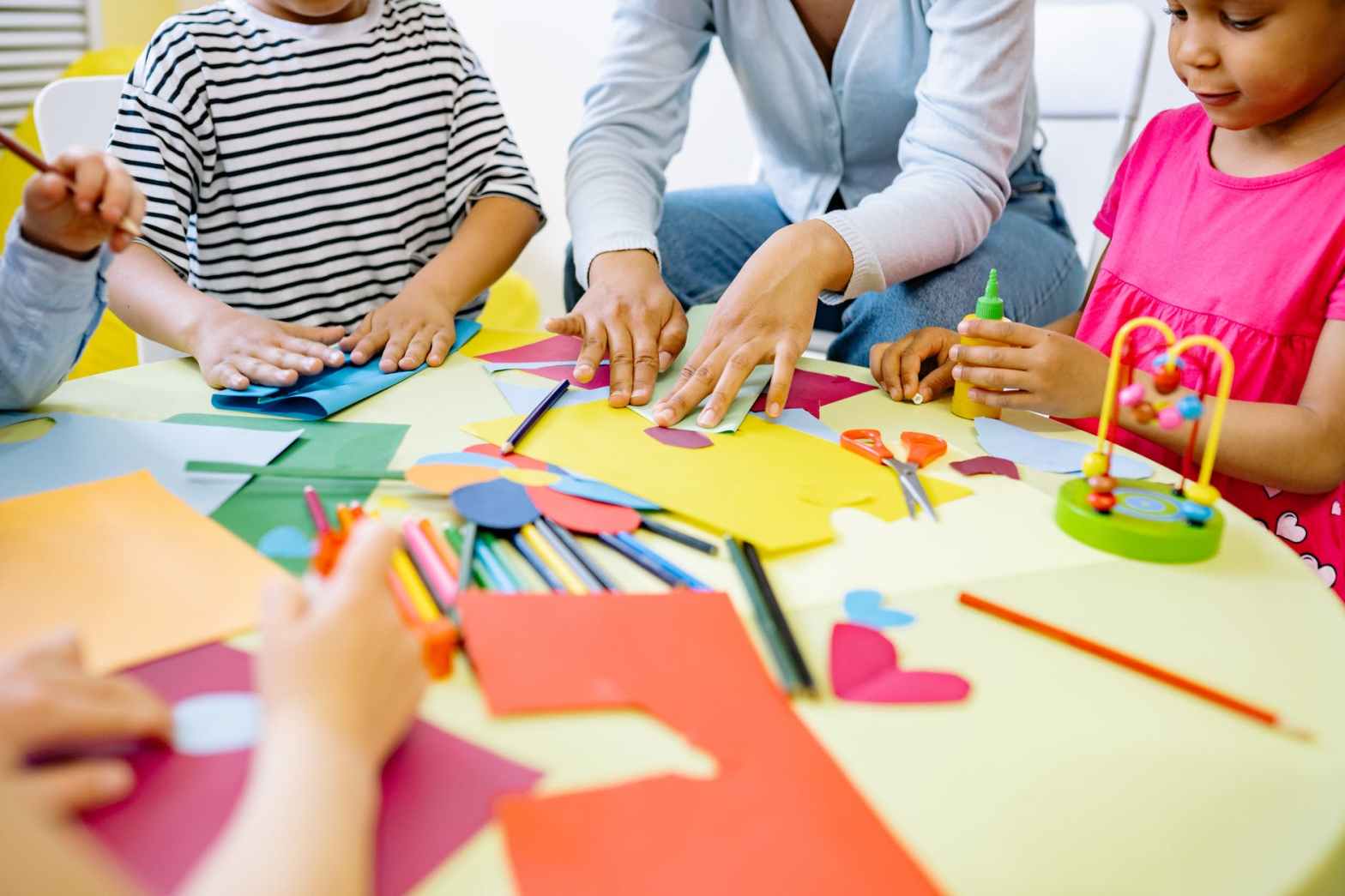
❇️Some children are hands-on, while others work best through language and do well with reading. 

❇️Some children understand things better than they remember them.

❇️There are many different patterns of learning, and the best thing that you can do as parents is to step back and observe what seems to be happening and what seems to be working with your child.

‼️We need to start paying attention to our child’s learning style from an early age of  6 or 7.

❇️Understanding your child’s general attitude to life can also help you determine his or her learning style. 

👉For example, is your child adventurous? 

Inventing? 

Or thinking/creating like a poet or a philosopher?

❇️An adventurous personality really has to move to learn, so sitting at a desk all day doesn’t do it for them.

❇️ A child with an inventing disposition asks a million questions, such as ‘How does this work?’ ‘What about this?'”

‼️Another thing to observe is your child’s “learning modality” 

This refers to which senses your child best learns through. 

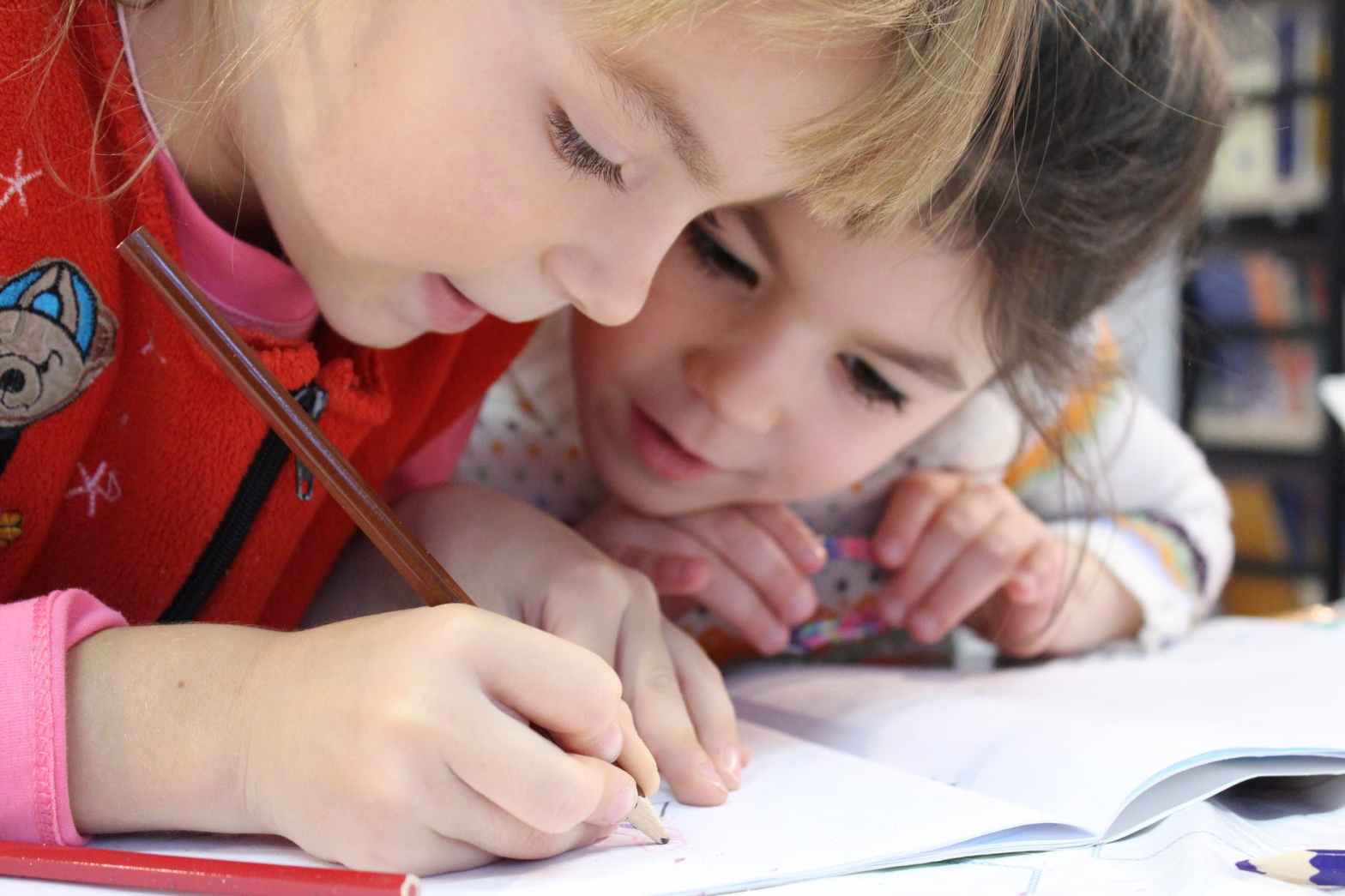
👉Are they auditory (listening and verbal), visual (picture or print), or tactile-kinesthetics (hands-on, whole-body, sketching or writing)?

❇️Some children are more visual and need pictures to learn, while writer learners need words. 

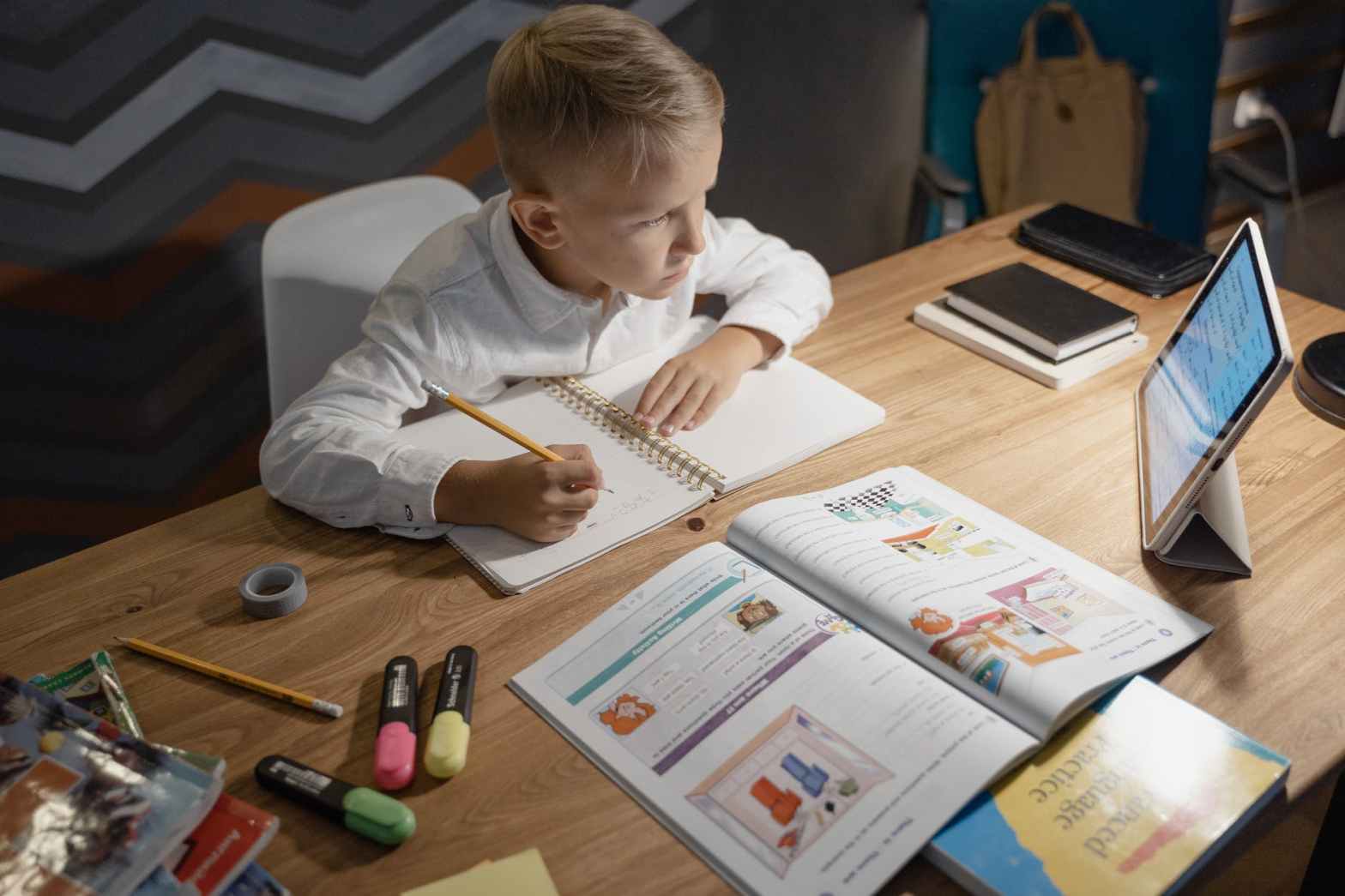
❇️Another aspect of learning style involves the environment. For example, noise, temperature or lighting may affect some children’s ability to learn.

❇️For one child, temperature might not make a difference, but some children can’t concentrate if it’s too hot, and/or lighting can be a crucial factor for some people if fluorescent lighting causes eyestrain. 

‼️LEARNING STYLES: Playing to Your Child’s Strengths

👉Once you have identified your child’s learning style, you can begin to build on his or her strengths to compensate for learning weaknesses — without labels.

🥰If a little girls has a lot of spatial problems (difficulty picturing things), but is terrific in English, she can learn math by putting everything into her own words. 

If you show her a rectangular shape and ask her to talk about it, will she understand it?

❇️She can only understand things in words, which is why she is such a terrific English student.

👉Another way to enhance learning is to focus on your child’s affinities and areas of interest.

❇️A lot of strength could ride on the aid of their passions, and you can build academic skills in that area.

❇️Have them become an expert in the area that they feel passionate about.

👉We really should encourage our children’s interests, talents and what they love to do. 

♦️Parents tend to say ‘If you are not doing well in school, you can’t take swimming lessons,’ but those are things that can build self-esteem.

💟My final thoughts 

Acknowledging and honoring their interests and talents tells you a lot about their learning style.

 If your child is really interested in plants and gardening, you can see if they are more hands-on and they need to go out there and garden. Or do they learn better from pictures about gardening, or reading about gardening?

So, dear parents, do you know your children’s learning styles? Leave a comment below if you do 👇👇👇

#positiveparentingwitholu

#learningstyles

#kidsareawesome

UNDERSTANDING YOUR CHILD LEARNING STYLES: (Part 1)

BACK TO SCHOOL (SUPPORTING YOUR CHILD AT HOME)

Today’s post is about – KNOWING YOUR CHILD LEARNING STYLES:

 I learn a lot working with young children. All children are different, so they learn differently too. 

I never write any child off, because children have a way of surprising you. I give them lots of chances to prove themselves. 

No child is dumped. We as parents/adults  just need to understand their learning styles and be patient. And when you do, you will see a significant improvement in them. 

Every child learns in a slightly different way, and figuring out your child’s own learning style can help assure academic success.

As parents we need to learn as much as we can on how to use our children learning styles to make school easier for them

Don’t panic if your daughter has trouble spelling or your son can’t sit still during maths class. It may be that he or she simply has a different learning style.

Watch out for my post tomorrow, because I will be sharing step by steps on how to identify different learning styles of children

So stay tuned

WISHING ALL THE CHILDREN WRITING 11 PLUS EXAMS TODAY BEST OF LUCK.

Well done for all your efforts and your BEST is good enough! Be proud of yourselves

Thanks

Please leave a comment below if you have any thoughts on this

Thanks

Olu

#11plusexams

5 MISTAKES I MADE WHEN CHOOSING A SECONDARY SCHOOL FOR MY SON

In the UK the main times when parents will be applying for school places will be when their children are entering primary or secondary school. 

Usually applications for secondary schools should be made by 31 October and applications for primary schools made by 15 January.

Dear parents, next month parents with children in Year 6 will be sent a letter from thier local government to start applying for secondary places for their kids.

Today I’m going to share with you some of the mistakes I made 7 years ago, when my son was in Year 6, that affected his learning and made him struggle a bit when he was in secondary school. I would urge you not to make the same mistake.

So here we go,  

  1. I DID NOT DO ANY RESEARCH ABOUT THE SCHOOL 
  2. I DID NOT GO TO THE OPEN DAY
  3. I DID NOT READ THE OFSTED REPORT
  4. I DID NOT CHANGED HIS SCHOOL WHEN HE WAS UNDERPERFORMING 
  5. I WAS SO BUSY TO SUPPORT HIM AT HOME WITH HIS LEARNING UNTIL GCSES 

———-

MY ADVICE TO PARENTS 👇

‼️PLEASE MAKE SURE YOU DO RESEARCH BEFORE YOU SEND YOUR CHILDREN TO ANY SCHOOL. ( your child’s academic future depends on this) 

✅Check the school league table

✅Check how many children pass GCSES in that school every year. 

✅Check their Ofsted Report 

✅Take time off work and visit the school, ask questions 

Dear parents, it’s very important that you do some research about the schools you want your school to go to.

👉Please don’t be like me, I didn’t do any research before I applied for a secondary place for my son. 

He struggles academically in the school and I left him there without looking for an alternative school until it was time for him to sit for GCSEs, which was a bit too late. 

👉Don’t allow the school to put your child in a box, don’t listen to them especially when they told you his expected grade is D, don’t settle for less. Your children have more potential.

👉If you see that your child is not making progress in their school and the schools are not helping, please change the school to a more better performing school. 

Change is inevitable. 

Your child might not like the change, but as parents you need to do what’s right for your child . 

Please don’t leave things to the last minute . 

Do you know if your child is a Harvard or Oxford candidate, you need to start supporting them now when they are still in preschool, because they can’t do it themselves. 

But you are going to be the one that will help them get there.  

🖍You need to consistently start working towards that now 

If you don’t know, find information. Google is your friend!

WHEN WE KNOW BETTER WE DO BETTER! 

If anybody should  have the best interest for a child, it should be you, the parents.

Do your bit and leave the rest for God

I have a lot more to say on this topic, stay tuned so I will be sharing more in my subsequent post.

Thanks for reading through 

I hope this helps 

Olu ❤️❤️❤️

STRATEGIES TO MOTIVATE CHILDREN IN THEIR LEARNING

Happy new week guys, hope you had a lovely weekend ❤️❤️

Lots of children are back to school this week, and some are starting a new school. 

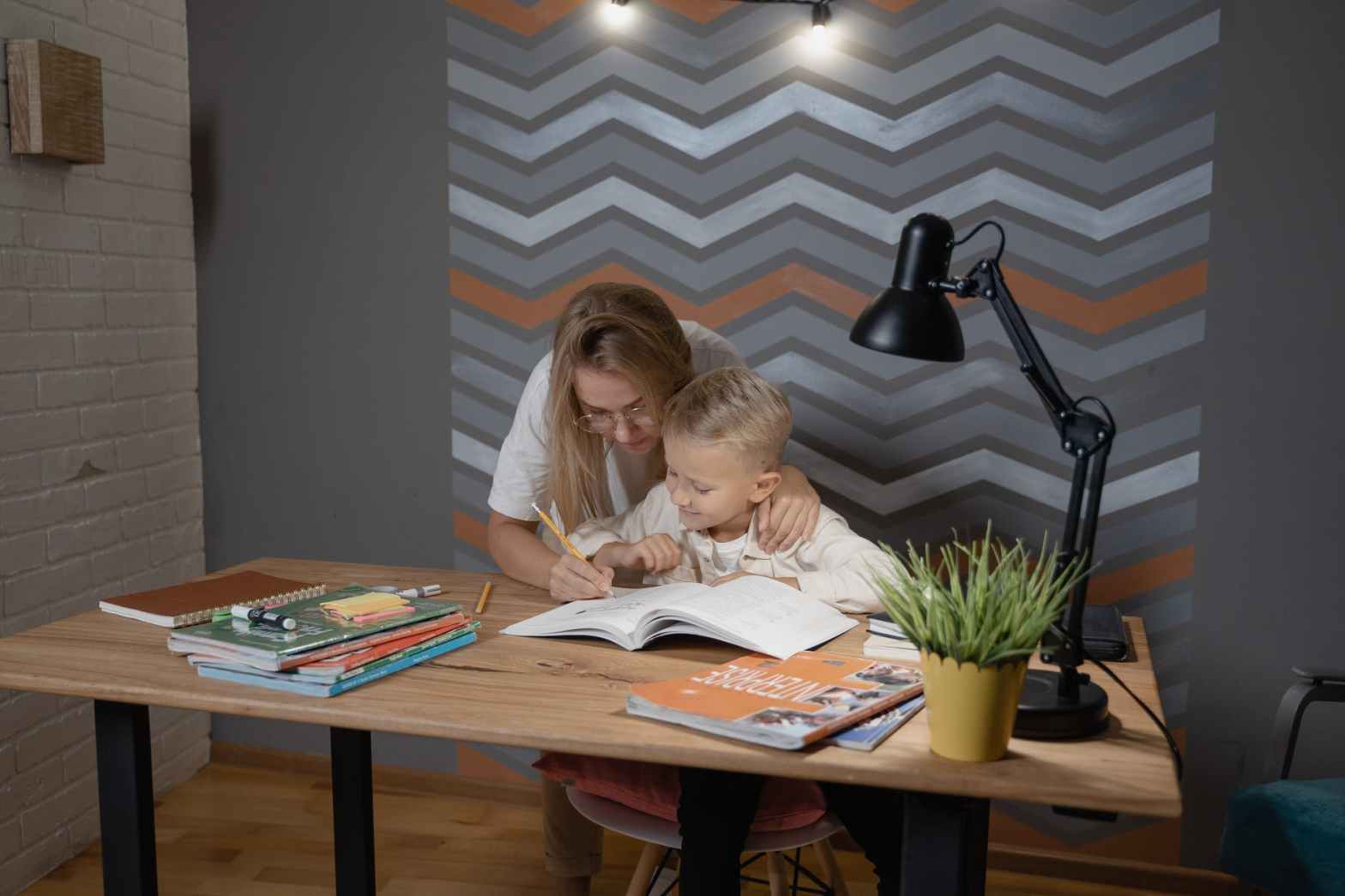
So today, dear parents,  I thought I should share some tips with you today, in order to help you support your kids with their learning at home. 

Because as we already know, parents involvement is key and it goes a long way in helping kids succeed in school 

4 STRATEGIES TO MOTIVATE CHILDREN IN THEIR LEARNING 

1️⃣FOLLOW THEIR LEAD 

Children are going to be more  motivated by the things they are interested in. You can apply this to their learning.

For example; let’s say your daughter loves singing and dancing, get her to read books on music and print out comprehension questions about music. Following their lead helps them to engage in their learning. They will definitely love that, because that’s what they are interested in. It also encourages them to take ownership of their learning. 

2️⃣ALLOW THEM TO SHOW THEIR CURIOSITY 

Children are very curious by nature, most kids love finding out about stuff, they love asking lots of questions. Trying to explain things that they are curious about is a great way to motivate them. 

Here are some fun and engaging questions you can ask your curios school aged children to get them thinking 🤔 

🖍How many minutes have you lived for?

🖍would you drink enough water in your life to fill a swimming pool? 

🖍How many vowels in the first names of all the members of your family?

3️⃣PRAISE PROCESS NOT OUTCOME

When a child gets the answers right that’s great, you want to congratulate them. But the most important thing to put emphasis on is the process. How did they get to the answer, ask them to explain their thinking to you. Ask them how did you get the answer? .

And even if they did not get the answers right, they’re doing the right thing to get to the answer, that’s what you want to be saying well done for 👏🏾

Because the problem is that, when we praise children just for what they got right, it leads to performance orientation. 

And this will make the child feel like I’m only going to do questions I know because I will be praised for getting it right and they won’t be motivated to try something new or hard questions because they don’t want to get it wrong. 

So if they always get Algebra questions wrong, when they are doing their work, you need to praise their effort and encourage them. As parents, that’s what you should be doing. Say things like “you kept trying even though you didn’t get it right. 

I hope this helps, please let me know what you think. 

Which of these strategies are you going to use? 

Thanks 

Olu ❤️❤️

#homelearning

#londonmom

#beintentional 

#positiveparenting

#positiveparentingwitholu

#readingwithkids

#homeworktips

#tutor

#learning

#studyplan

#momslife

#students

#children

#dailyroutine

#bepresent

#supportingkidsathome

#education

#blackkids

#examtechniques

#schoolsucess

SHOULD HOODIES BE BANNED IN PUBLIC?

“Mum, why do I get blamed for wearing a hoodie to stores?”

(STOP BLAMING MY CLOTHING) 

A lot of teenagers today seem to love wearing hoodies, my son wears hoodies all the time, because it’s comfortable for him. .

Today’s post is not about clothing, just want to make a point!

I think it’s unfair for people to judge teenagers or to be discriminated against for wearing a piece of clothing 😊

———————

Every time I send my son to a corner shop to get something for me, he always comes back with a complaint. 

He complains to me about how the security man that works in the stores kept following around 😀. 

“Mum, the manager of the shopping centre, told me to take it off. It’s not like I’m going to steal anything” he said angrily. 

I could see that my son wasn’t happy about this. 

I had a word with him about it, I told him not to take it personally, because the officer was just doing his job. 

“You fit the profile, you’re a black teenage boy and you are wearing hoodie” I explained 

I told him next time he goes to the shop, he should just focus on what he went there to do and leave without letting that bother him and pull down his hoodies from his head. 😃

If you are raising young black boys in a foreign country, I’m sure you will agree with me that it can be tricky sometimes. 

But as parents we need to keep talking to our children about stuff like this. 

They need to know that life is not always fair. Even at that, But they should always strive to do the right thing and not let things get to them. 

 Even if they’re good boys –   It’s what it is!

 ( this is just a mum ranting, because I don’t think it’s fair on our boys) 

Can you relate? 

Do you have any thoughts on what parents can do to stop this harassment? 

Or

Do you think there should be laws about what people can wear in public?

‼️My Answer to this question is👇

No, hoodies shouldn’t be banned. They keep you warm so I don’t see the problem. Not everyone who wears them is a thug.  

You shouldn’t stop people wearing what they want. It’s not the actual hoodies that go round mugging people – it’s the kids wearing them, and they are the ones that need to be stopped. 

I would love to hear your thoughts in the comments

MY CHILD IS A BULLY! Help me!

A few weeks ago a parent told me that she thinks her daughter is a bully.

And she went on to tell me what happened and I gave her some advice.

I will be sharing some of the advice I gave her with you today, just in case you have a child that bullies or is being bullied by someone at school.

So today I will be talking about how to help your child that is bullying someone and how to support the child that has been bullied. 

First thing  I told her was, it’s not her fault! So it’s not your fault either! 

——————————-

Who is a bully? 

Google definition 👇

A bully seeks to harm, intimidate, or coerce (someone perceived as vulnerable).

Simply put; A bully is someone who says mean things or hits other people because they are angry

👉Let me start by saying it’s not your fault, if you have a kid that is bullying other kids. 

👉First thing to do is, you need to talk to your kids about what happened and listen to their side of the story 

👉Second thing to do is to think about the motivation behind this, because motives matter a lot. 

Studies show that there are 3 reasons why bullies bully.

So here are the 3 reasons why your child may be bullying someone else 

  1. They may be trying to be funny, that might be the reason why your kid is bullying somebody. They may innocently think it’s funny to do so. You may need to let them know that it’s not appropriate to laugh at someone or make fun of people.
  2. Another reason why kids bully other people may be, because they feel insecure 😞 . They may feel insecure about themselves and they’re trying to make themselves feel better about themselves by putting someone else down. (Hurting people, hurt people)  As a parent it’s your job to get to the root of the matter of why your kids are behaving this way. And help them overcome that trap of internal insecurity. You may need to speak to a specialist or a therapist to help them get over this. You need to do whatever it takes, so that this behaviour does not continue with them when they get older. Find out what they are feeling insecure about, so that they will stop taking it out on other kids. 
  3. The third reason why your kids might be bullying someone else, is that they are retaliating. They might be bullying someone else because they feel like a victim and they’re retaliating in anger towards the person who hurt them. If this is the case, you need to address this victimisation and help them get over the effect.  You need to teach them how to forgive someone that hurt them and teach them how to manage their anger. 

Dear parents, you need to take this behaviour seriously. Let your child know that it’s not ok to bully other children 👶 

‼️Here are some negative behaviours that as parents we need to put a stop to early on and what you can SAY to your kids when they show these types of behaviour at home👇

👉Eye rolling; don’t accept the eye rolling. Say to them “that when you roll yours at me, what you’re saying to me is that I’m stupid” 

👉Silent treatment ; “when you stop speaking to me, what you’re saying to me indirectly is that you don’t like me anymore” 

👉When you sigh or kiss your teeth at me, “what you’re saying indirectly is that you’re sick of this and I just want to get out of here” ! 

“You may think you’re not communicating with me, but you are and I am not ok with it”. 

‼️As parents you need to curb this type of behaviour before it gets too much and more than you can take ❤️

‼️The reason why you need to curb that behaviour now, is because when girls resort to non verbal behaviour ways of expressing their problems, that’s the behaviour that continues with them when they get older. 

‼️Ultimately I think we all want our girls to grow up to become young women who are able to express themselves directly and not become young women who will sit in an office meeting and when they hear news they are not happy with roll their eyes and make noise. 

👉My final thoughts 

I need us to know that for these behaviours to stop, we need to lead by examples. Think about your own behaviour 🤔. 

Do you give your child silent treatment when they misbehave? 🤔

WHEN WE KNOW BETTER WE MUST DO BETTER‼️

#stopbully

#notobully

#positiveparentingwitholu

#beintentional

HOW TO CONNECT WITH YOUR TEENAGERS

Me- How’s your school work going? 

My teenage son- “Why are you always checking on me? Don’t you trust me? I always get good grades. Why ask me about it? 

Me- “I was only asking” …

My teenage son- “yeah right, mumble, mumble”

He left in anger and went into his room. 

I was not happy about his behaviour, but I stayed calm.  if this had happened a year ago, I would have ran into his room with anger and yell at him and maybe  take away his phone and his games and he wouldn’t like that and things might go “south” 

I have come to realise that whenever my son is in one of his moods, all I need to do as an adult is to stay calm and remember that it’s not about me and that this will pass. 

About an hour after the incident, he came into my room to apologise and we talked about what happened. 

As a parent,  you can feel hurt, worried and unsure about what’s happened when you have a conversation like this. Your child used to value your input, But now it seems that even most conversations can turn  to arguments. 

Disrespectful or rude behaviour in teenagers is something many parents face at some point. Here are some strategies that can help you manage in this kind of behaviour in the meantime.

There are reasons for your child’s behaviour. And there’s also good news,  this phase will end.

What you need to know

Not all teenagers will be rude or disrespectful, but acting like this is a normal part of teenage growth and development. Your child is learning to express and test out his own independent ideas, so there will be times when you disagree. Developing independence is a key part of growing up.

Also, teenagers can be quite moody because of how teenage brains develop and change. The changes going on, especially those affecting the emotional centre of the brain, can sometimes lead to over-sensitivity, as well as changeable moods or attitudes.

Teenagers are starting to think in a deeper way than they did a few years earlier, and they can have thoughts and feelings they’ve never had before. It’s now that some young people seem to burst into the world with a contrary and radical view on everything. This shift to deeper thinking is a normal part of development.

Handling your teen’s disrespectful behaviour

Set clear rules about behaviour and communication. For example, you could say, “We speak respectfully in our family. This means we don’t call people names”. Involving your child in these discussions about rules means you can later remind him that he helped make the rules, and that he agreed to them.

Stay calm. This is important if your child reacts with “attitude” to a discussion. Stop, take a deep breath, 

and continue calmly with what you wanted to say.

Focus on the behaviour, not the person. When you need to talk about some disrespectful behaviour, focus on the behaviour and how you feel about it. Avoid any comments about your child’s personality or character. Instead of saying, “You’re rude”, you could try saying something like, “I feel hurt when you speak like that to me”. It’s OK to occasionally say clearly how you’re feeling – “I am feeling furious with you just now. It’s hard to be spoken to like that. You would feel the 

same”.

Be a role model. When you’re with your child, try to speak and act the way you want your child to speak and act towards you.

Praise your teenager for positive communication. When you have a positive interaction, point this out to your child. This lets her know you’re aware of and value her opinions.

Set and use consequences but try not to set too many. At times, it might be appropriate to use consequences for things like rudeness, swearing or name-calling.

Use humour. A shared laugh can break a stalemate, offer a different perspective on a situation, or lighten the tone of a conversation. Being light-hearted can also help take the heat out of a situation – but avoid mocking, ridiculing or being sarcastic.

Ignore your child’s shrugs, rolling eyes and bored look if he’s generally behaving the way you’d like him to.

Sometimes teenagers are disrespectful without meaning to be rude. A useful response can be something like, “That comment came across as pretty offensive. Did you mean to be rude?”

Another adult you know and trust, such as an aunt, uncle or family friend, might be able to support your child through this period. Involving someone like this can be a great way to ease the tension between you and your child.

AVOID DOING THESE THINGS 

Arguing: this rarely works for parents or teenagers. When we get angry, we can say things we don’t mean. A more effective approach is to give yourself some time to calm down.

Bad timing: few of us want to talk about a difficult topic when we’re angry or upset. If you’re angry or in the middle of an argument, it will be hard to calmly discuss what you expect of your child. A more effective approach is to tell her that you want to talk, and agree on a time to meet and discuss the issue later.

Being defensive: this is very rarely useful. Try not to take things personally.

Lecturing: even though you have more life experience than your child, lecturing him about how to behave is likely to turn him off listening. If you want your child to listen to you, you might need to spend time actively listening to him.

Nagging: this isn’t likely to have much effect. It might increase your frustration, and your child will probably just switch off.

.

My final thought 

If you often feel let down by your teenager’s behaviour, perhaps you have unrealistic expectations. Teens tend to look less to their parents and more to their peers for role models. But we should continue to provide guidance, encouragement and appropriate discipline while allowing your teens to have more independence.

Last but most important,seize every available moment to make connections! 

We also need to remember that we don’t own our kids. 

I would like to know your thoughts on this, please leave a comment below 👇

Happy parenting 

#Positiveparentingwitholu 

Thanks

Olu
DOES YELLING AT KIDS WORK? (part 1)

No, it doesn’t and here is why

Well, yelling only works for a short of time 😆

When you shout at your children to stop doing something, they will stop out of fear.

Children are motivated by fear!

But it will have a long term negative effect on them. 

As children age, they try to escape and break free from that coercive (violent) environment 🙁

They may not enjoy coming home as much, and sometimes they would rather hang out with friends, especially when they become teenagers. 

And this is not a good place to be in, because when your teenagers start depending on their friends things may turn into something else. We may not be able to control them then. 

But the good news is that we can avoid these now that they are still young.

I know as parents, we want the best for our children, but remember our children are watching us and when we yell at them we are indirectly teaching them that when things don’t go their way they should yell at people too. 

Also, when we yell at our  kids it is just stopping their  behaviour and not teaching them any skills. 

Remember, you’re modelling adult behaviour, and that behaviour should never be based on what your child is doing. 

Dear parents, we need to stop reacting to everything. 

Take a deep breath sometimes. They are just kids and kids do kids stuff.

Thanks for reading through

Please leave a comment below if you have any questions or thoughts about today’s topic

Watch out for part 2

Stay blessed

Why Do Toddlers Have Tantrums?

Hello beautiful people ❤️❤️❤️

As frustrating as tantrums can be, they are a normal part of your little one’s development. They are most common in children aged 1-3 and might happen because your child is tired, hungry, or overstimulated.

 Your toddler might have a tantrum simply because she wants her Fruits cut into star shapes instead of hearts. 

I’m sure your burning question is, “Why do toddlers have tantrums?” or “How on earth am I supposed to handle this?” 

Well, I’m going to answer your questions in today’s post, so keep reading.

Toddlers are very small people with very big emotions. Their language skills are starting to develop, but they can’t talk well enough to convey what they want to say

Your toddler is starting to feel independent and like she can handle anything, even though she really can’t.

 It frustrates her when adults try to control everything she does, like when and what she eats and wears or when she sleeps. 

And she probably thinks, “Why do grownups care so much when I leave my toys on the floor? It makes them so much easier to play with.” 😆

Tiredness is one of the reasons why your toddlers throw tantrums. – Everyone gets grumpy when they’re overtired, and toddlers have less experience handling their feelings than we do.

✳️What Should I Do if My Toddler Has a Tantrum?

When your toddler is upset, having a tantrum.  or struggling to listen, get below their eye level.

——————

This communicate to the brain there is no threat and help them calm down

♦️My final thought 

Like any other phase your child goes through, the tantrum stage is temporary and won’t last forever. Before you know it, you’ll be sending your little one off to school and the tantrum days will be a thing of the past . 

Thanks for reading through 

Olu ♥️

#toddlers

#parenting

#positiveparentingwitholu.

Have a blessed Thursday guys ❤️❤️❤️

DOES YELLING REALLY WORK (part 2)

Every Tuesday day I share some great tips on Positive Parenting on this Platform ❤️❤️

As a mom of four, I understand how hard it is to stay calm and stay steady when we interact with our kids, especially when they are talking back or refuse to do their chores. It can be very easy to lose our cool. 😆

When we believe our children are being difficult, we tend to use yelling to make them listen to us.

 But yelling can only go so far before it starts to form cracks in the relationship with our kids and leave them with emotional scars that might never go away. 

At some point, we need to ask ourselves: Is my child’s obedience worth losing their love and respect

Today I will be sharing one of the strategies I have learnt and that I use every time, whenever I feel like yelling at my son.

Don’t get me wrong, it’s not always a good day at home with my son, if you’re a mum especially if you have a teenager you will agree with me that most days are challenging. 

But I always remember one thing: every time there is a challenge at home, I have 2 choices : either to respond or to react. 

 I tried most of the time to respond in calming or just leave the room and come back when both of us are calm. 

So here are some simple strategies to think about when your children misbehave and you felt like yelling at them👇👇👇.

Stop yourself first and …pause before responding in anger

1. STOP AND WALK AWAY – Yes, this may be tricky at first, but with lots of practice you will get used to it. Maybe go into your room to calm down ( always remember to pause before responding in anger) Allow yourself to calm down so you can think clearly. When we take a minute to think, we will get a clear picture of why our children are behaving in a certain way. It could be that they need you to connect with them more and so on.

2. DON’T REACT

If you’re a “react-er,” it may take time for this to become more natural. That’s ok. As you go through your day, look for times to respond rather than react. If you slip-up and react, give yourself permission to try it again. It’s not a sign of weakness to say, “Wait, what I meant to say was…” Let your children know that you are not perfect either!

3. KEEP THE RIGHT PERSPECTIVE

Most of the times when our children misbehave, it’s usually based on their developmental stages. It’s not personal, so stop taking it personal.

The reasons why we feel frustrated by their behaviour is because of our expectations, not because of the behaviour itself. 

So be realistic, kids will be kids 

Keeping a right perspective may look like not assigning adult meaning to a childhood behaviour .

Avoid getting angry when your child does something based on function, like dropping a cup of water on the sitting room carpet and ruining your rug, or screaming at their siblings.

We need to take a step back and look at our expectations and ask ourselves these questions 👇

👉Are we asking our child to do something that it’s not developmentally appropriate 

👉 Are we asking them to do something you haven’t even taught them yet? 

Remember children are the product of their environment, they follow your example, they learn when you teach, and they grow out of it.

Dear parents, as we strive to have strong positive relationships with our children, it’s important to remember to Respond rather than React.

Responding can feel ineffective, passive or too permissive at first.

In the long-run, however, the payoff is great. 

My final thoughts 

Sometimes it’s going to be easy to respond rather than react. Other times, it’s going to be more challenging…especially if you’re feeling tired, stressed, overwhelmed, worried, frustrated, etc. If it’s one of those days, remember to breathe. Give yourself that split-second to decide if you are going to react or respond. (If it’s really one of those days…take two deep breaths!)

So does really Yelling work?

No, it doesn’t

Please let me know what you think in the comments below 👇👇

Have a wonderful day ♥️♥️

#beintentional

#noyelling

#parenting

#londonmoms

#monsofteenagers

#positiveparentingwitholu

✅WHEN WE KNOW BETTER WE MUST DO BETTER