Lots of parents tell me how they struggle to get their children to do 11+ practice at home. You’re not alone!. Trust me, I know the battle very well, from the experience of my son a few years ago.
Here are some tips to get your kids to get into the habit of revising.
Set up a quiet place where they can study (get a desk and chair. (You can get cheap and beautiful table and chair less than £50 in Ikea)
Establish a routine: Set up a specific time each day for your child to revise, and they must stick to this time. This will help them a lot.
Break up study sessions. Encourage your child to take breaks. (Maybe they can take a 10 minutes breaks after an hour study)
Use incentives: Offer your child some reward for completing their revision, such as favorite snake or any activities they like.
Make it interactive: Find a way to make the revision process interactive and engaging, such as using flashcards, apps, educational videos and games.
Be supportive: Encourage your child and offer them positive feedback. Help them with any topics they may be struggling with.
If you have a daughter that always says negative things about herself, you can get her to write 5 or more things she likes about herself. If she can’t think of anything you tell her what you like about her.
.
Another way to help your child Minimize negative self talk is by replacing with positive self talk in form of a positive affirmation
Ask your child to think about 5 amazing things about themselves and then get a Mirror
Ask her to Write down the 5 amazing things on the mirror’s frame with a permanent marker. For best results, use lots of fun colors. Have your child write their facts on the frame as well.
Hang the mirror at eye-level either in your child’s room or somewhere that they can access the mirror daily by themselves.
And keep doing this with her and before you know it she will have self confidence in herself.
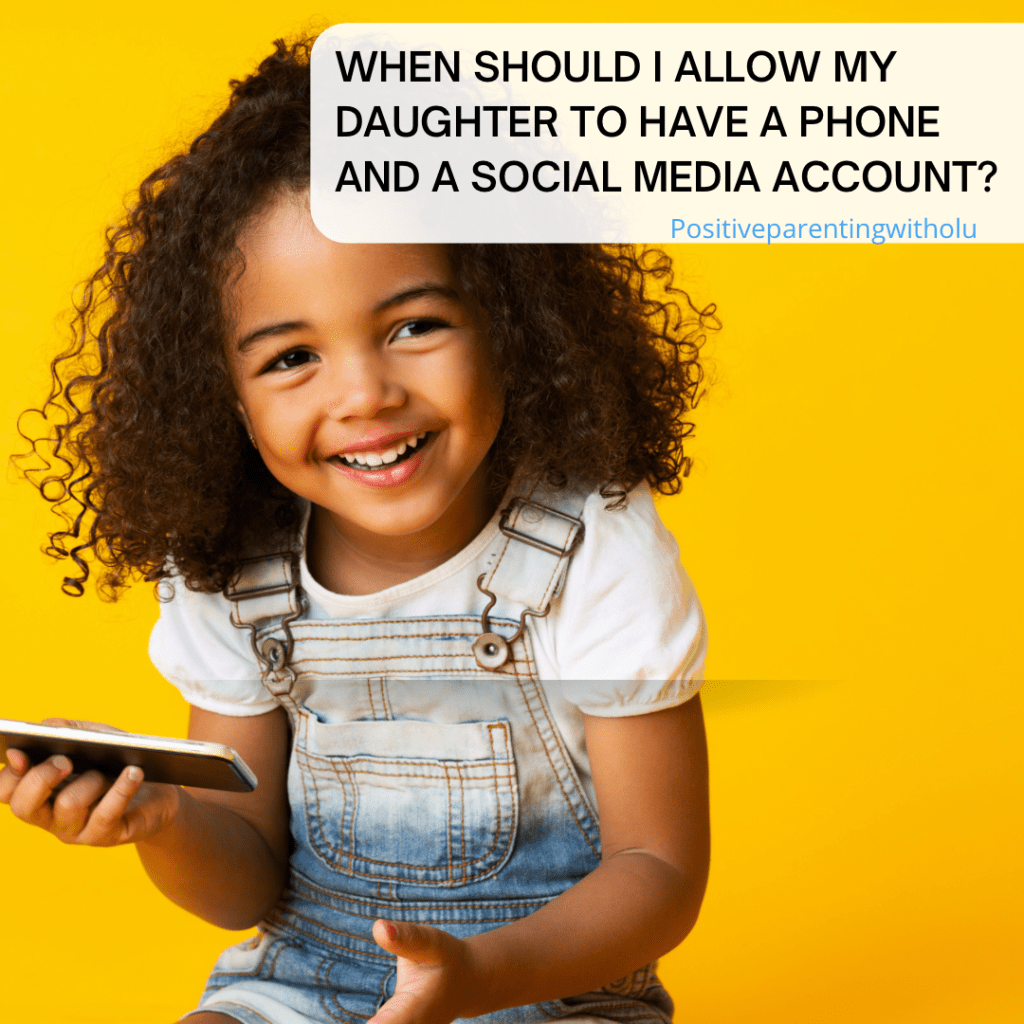
Ms Olu, when should I allow my daughter to have a phone and a social media account? All her friends are on snap chat and Instagram, and she feels like she is missing out. We have talked about buying her a phone during summer break before she goes to secondary school. She is 11 years old and a very responsible girl.
I get messages like this all the time!
Let me start by saying that I’m not a cyber expert. However, having worked with children and teens for over a decade, technology is a topic that I can’t avoid. It’s a part of all of our worlds. And it has come to stay whether we like it or not.
In today’s post I want to address some cyber safety basics that I recommend for all families who have teens who are keen to get their own social accounts.
The right age to give kids their first mobile phone is really up to you. Age isn’t as important as your kid’s maturity level, ability to follow rules at home and school.
It’s up to you to decide if your child is ready for a mobile phone or not.
In addition, It is so easy to say “yes” to Instagram, TikTok or SnapChat when our children are tweens, but in a few more years you may wish that your “yes” came with a lot more conditions that are now hard to implement.
So, I want you to take a moment now to stop and think.
The issue of monitoring your daughter online is a serious one, especially in the primary and secondary school years.
Too often children receive their first mobile phone with little or no guidance leaving them exposed to an adult world.
Here are some tips you can think on before you decide:
TALK TO THEM ABOUT THE RISK!
We can’t stop the risks, but we can reduce them. Pornography, sexting, body image, cyberbullying are just some of the issues that have the potential to trip our daughters up, regardless of their age. We should never expect our daughters to be the first person to bring up these issues. We have to be the ones who are brave enough to start the conversation.
A tween or teenager’s online life comes with a range of new risks, some which parents understand and some which parents don’t understand and that is why as parents we need to keep educating ourselves.
Within seconds young people can be interacting with unsafe people or content without their parents knowing.
Keep tabs—but don’t spy
Some parents, especially when their tweens and teens are new to social media, choose to follow their accounts. Whatever you do, don’t spy on them secretly. It really hurts trust. If something goes wrong, they’re not going to come to you for help.
So, the bottom line is that please don’t be naive.
Educate yourself and stay in the game. This is one area of your child’s life where you need to be the parent.
And please install safety software on their devices regardless of whether they have their own device or use a family one.
Don’t let anyone rush you to give your child a smartphone at a young age. If your child gets a mobile phone at 14, he’ll catch up really fast.
When we know better we must do better!
Thanks for reading through and have blessed day 🥰❤️❤️
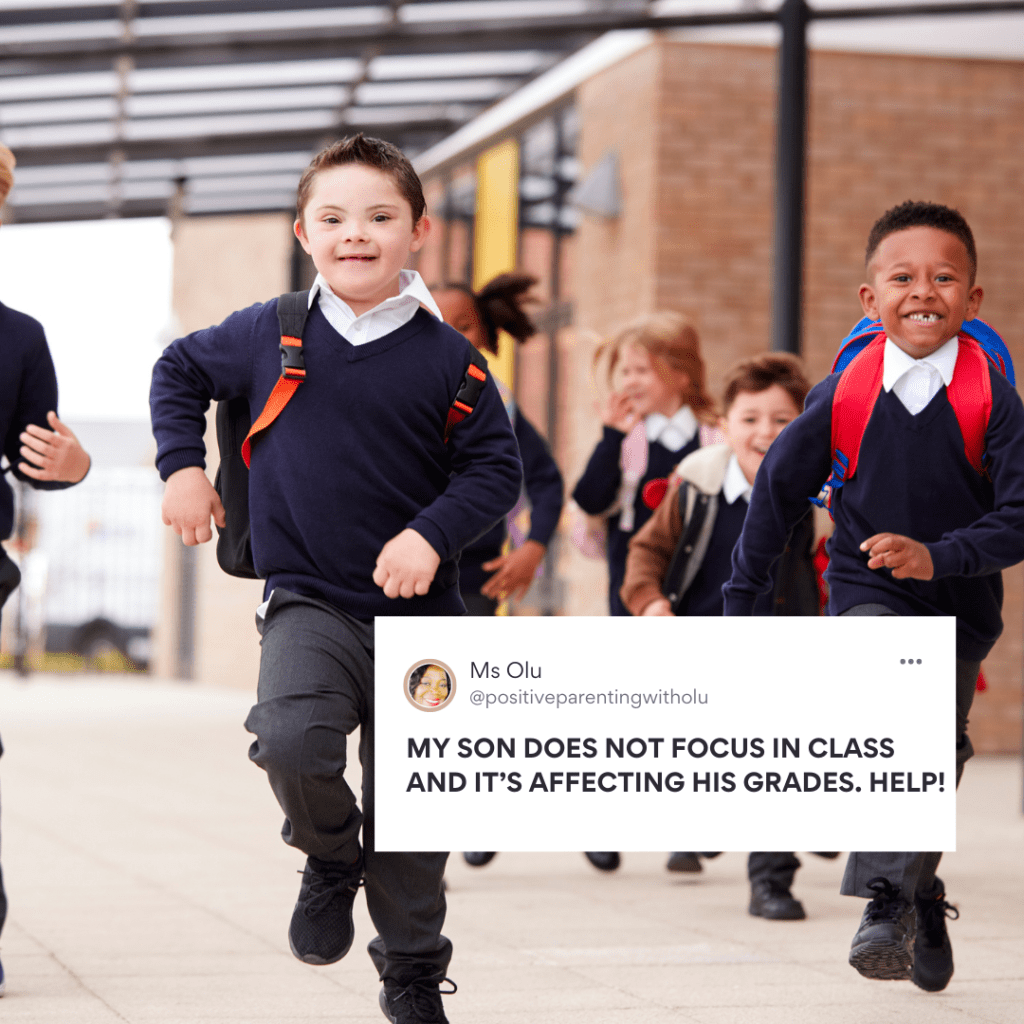
I was having a conversation with a parent the other day. She told me how she always get bad reports from school about her son.
Here are some of the things that was written in his report:
“He talks too much in class”
He is easily distracted”
He can’t sit still” He interrupts, he shout out, he is rude to other
He is the class clown” and so on ….
Can you relate? Because I can!
I remembered getting the same kind of school reports every year from my son’s school when he was in school.
Smacking, yelling or taking their iPads away from them will only work for a short period.
Please note that I am not talking about children who have learning difficulties such as ADD or ADHD.
Today’s post is about children who are able to sit still in class, but they’re unable to because they are easily distracted.
So what can you do then?
When my son wasn’t paying attention in class. This is how I helped him.
When my 7-year-old started having trouble focusing at school, I did not think much of it. I told him to pay more attention. But my words did not resonate, apparently. I began getting emails from the teacher about my son’s behavior. He was frequently off task, chatting with friends or moving around the classroom when he was not supposed to, and he was not putting enough effort into his work.
I tried everything to get my son to pay attention in class. Light punishments and more harsh punishments, including yelling, taking away screen time, and timeouts. Nothing works!. I got angry because I believed he was deliberately disobeying me. Once, when I asked him to explain his poor performance in class and he did not say anything, I had to step outside my house before I lost my cool.
At a loss, I did some research. And I realized the reason for my child’s lack of focus is because I wasn’t listening to him well.
Some kids need several conversations to be able to fully express their thoughts and feelings and to explain the motivation for their actions. When I realized this, I corrected my own behavior.
Over time, I saw a pattern in the reasons: disruptive classmates, boring topics, wanting attention and, my favorite, being funny. But what I focused on the most was the disruptive behavior of others. I knew my son was a social butterfly, but if his friends were coming between him and his work, I had to put a stop to that.
I spoke to his teacher about moving his desk to a more secluded area of the classroom. According to my research children with attention challenges tend to perform better with secluded seating in class, so I was optimistic that this would help. Which it did.
These changes, which stemmed from simply listening to my child, resulted in an immediate improvement in his behavior. I was so happy when the emails from the teacher stopped.
Please remember this👇.
✅ Young children do not have the maturity to give specifics on the reasons for their behavior, and parents should not expect that.
Now that he is older, he has changed a lot. He is more disciplined and he is very focused on his goals.
Don’t get me wrong, it takes a lot of patience on my part. And also I think kids get better with age.
However we as parents need to do our part as well. Something as simple as listening more carefully to them will make a lot of difference.
After changing your approach to your children, you may need to give them time to catch up.
Just remember to keep listening and showing empathy and compassion to them and you will see significant changes in their behavior at home and in school!
When your child is upset about things, ask them what the matter is and listen. Don’t try to fix anything. Just listen and maybe give them a hug and just stay with them until they feel better.
I know this may be strange for some of us, because we are not used to this type of parenting. Most of us are still parenting the way we were parented! The truth of the matter is that this generation is different from our generation and I’m sure you know that already!. Let’s do better!
When children are treated with love and kindness and respect they will listen to you and do well in school and in life generally.
WHEN WE MUST LEARN TO LOOK BEHIND THE BEHAVIOR. – Because there is always a reason behind every behavior!
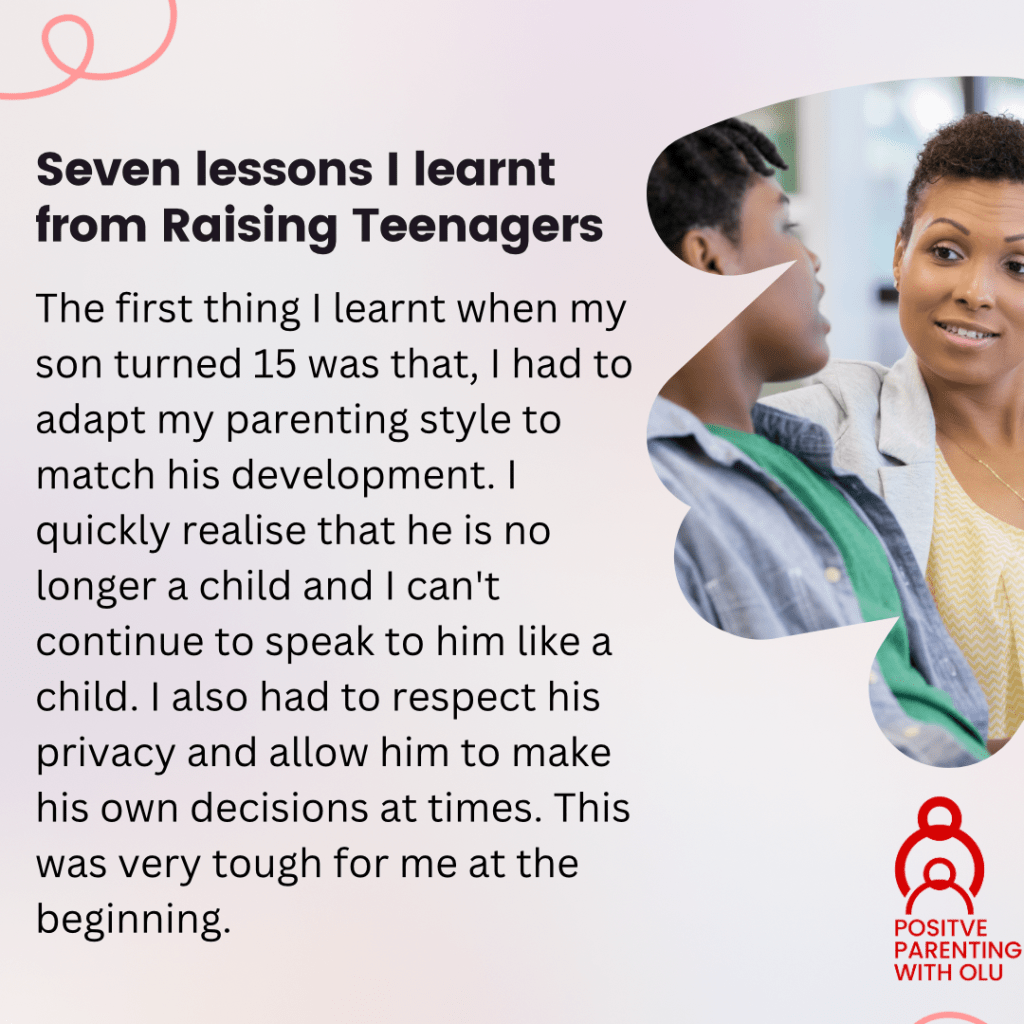
As a parent of a teenager and young adults children, I have come to realise that being a parent is hard but it’s also very rewarding and beautiful.
You get to witness great things your adult children become and they are now almost like friends to you and this is when you start to enjoy all your labour 😊❤️🙏
My last baby will be 20 in a few days and I know I have limited time to spend with him before he leaves home and do his own thing. So, I’m determined to make every day count.
As a mom, I felt the pressure of making the most of the time I had left with my son.
Here are somethings things I learnt along the way and I want to share with you.
7 things I learnt from Raising Teenagers
1. BELIEVE IN THEM ALWAYS:
If we can’t believe in our kids, who will? We must instill this belief until they believe in themselves. Being a safe space for teens means never giving up on them, NO MATTER WHAT!
We start by modeling it in our life, by believing in OURSELVES as parents. We can’t give away what we don’t have. When they see us pursue our passions confidently and continue to press forward when life knocks us down, we create a safe space by default.
Our children need our loving voice in their ears, letting them know they have what it takes within. We teach them to trust their internal GPS and go through life with their heart wide open.
2. DON’T TAKE THINGS PERSONALLY
It’s tricky not to take your teen’s behavior personally, but the reality is, our teen’s behavior isn’t about us. The less we personalize it, the better.
3. DON’T EXPECT PERFECTION
Every little thing we comment on, or get frustrated over often comes across like we expect flawless behavior. The fastest way to curb this issue on both sides is to let go of our expectations and lists of shoulds. About everything.
If you want your child/teen to trust you, you have to let the small stuff go and pick and choose your battles.
4. RESPECT THEIR OPINION: Respect your teen’s opinions even when you don’t agree with them. Show interest in learning more about what has shaped their ideas and why they have certain beliefs. Teens often just want to know that someone is listening to them. LISTEN TO THEM! (Allow them to express themselves freely without judgment)
5: FOCUS ON THE GOOD
If we keep reminding our children about what they’re doing wrong, they’ll keep doing the wrong things.
I’m not saying we should ignore their behaviour. What I’m saying is that we should pay more attention to what they’re doing right rather than what they’re doing wrong.
Because whatever we pay attention to expands.
6. STOP THE NEED TO CONTROL EVERYTHING THEY DO.
Stop your need to CONTROL your children.
They are individuals not robots!
All our children need from us parents is someone who can regulate their own emotions, and can guide them in the right direction.
7. Separate their behavior from them (e.g – let say they misbehave, deal with the behavior and let it go, stop nagging them)
Please stop reacting to everything your children do.
All our children want is for us to treat them like they are the most important person in our lives. If we do this genuinely you will see significant changes in them.
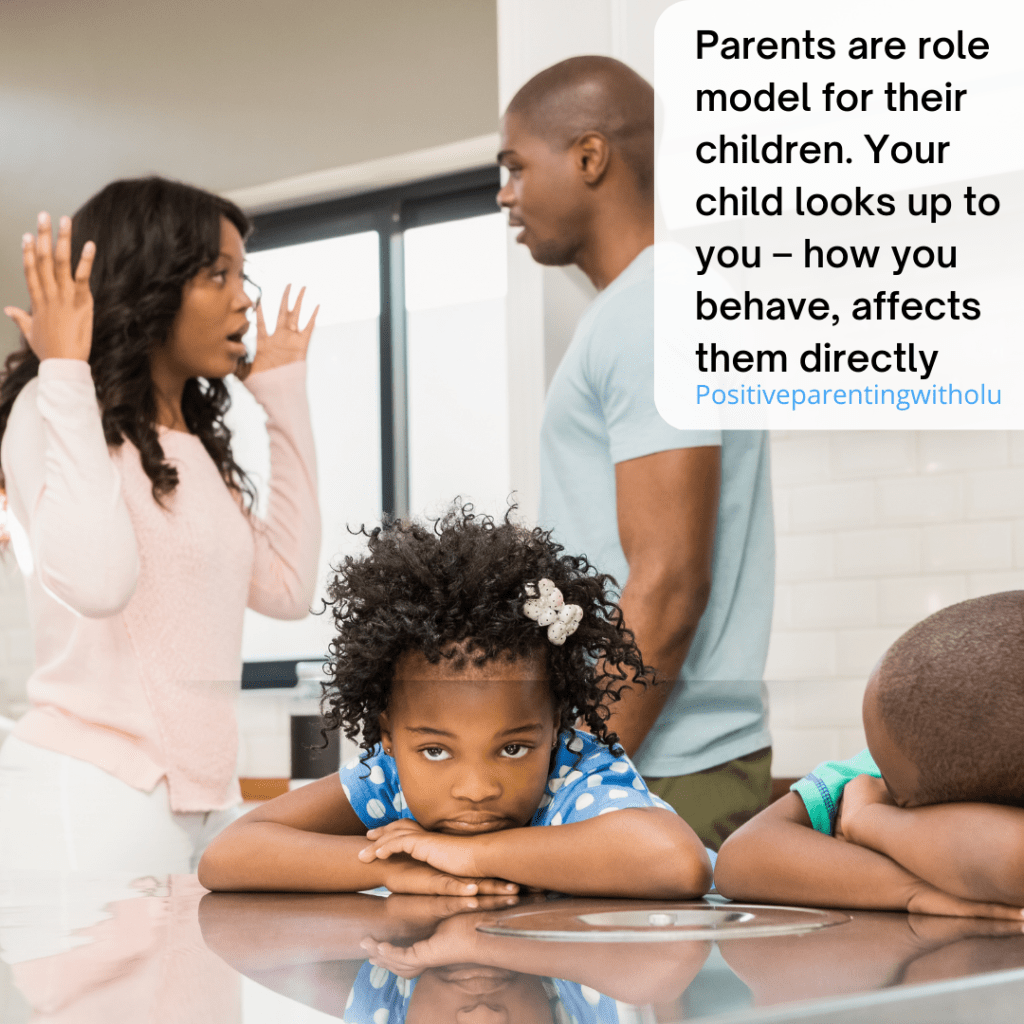
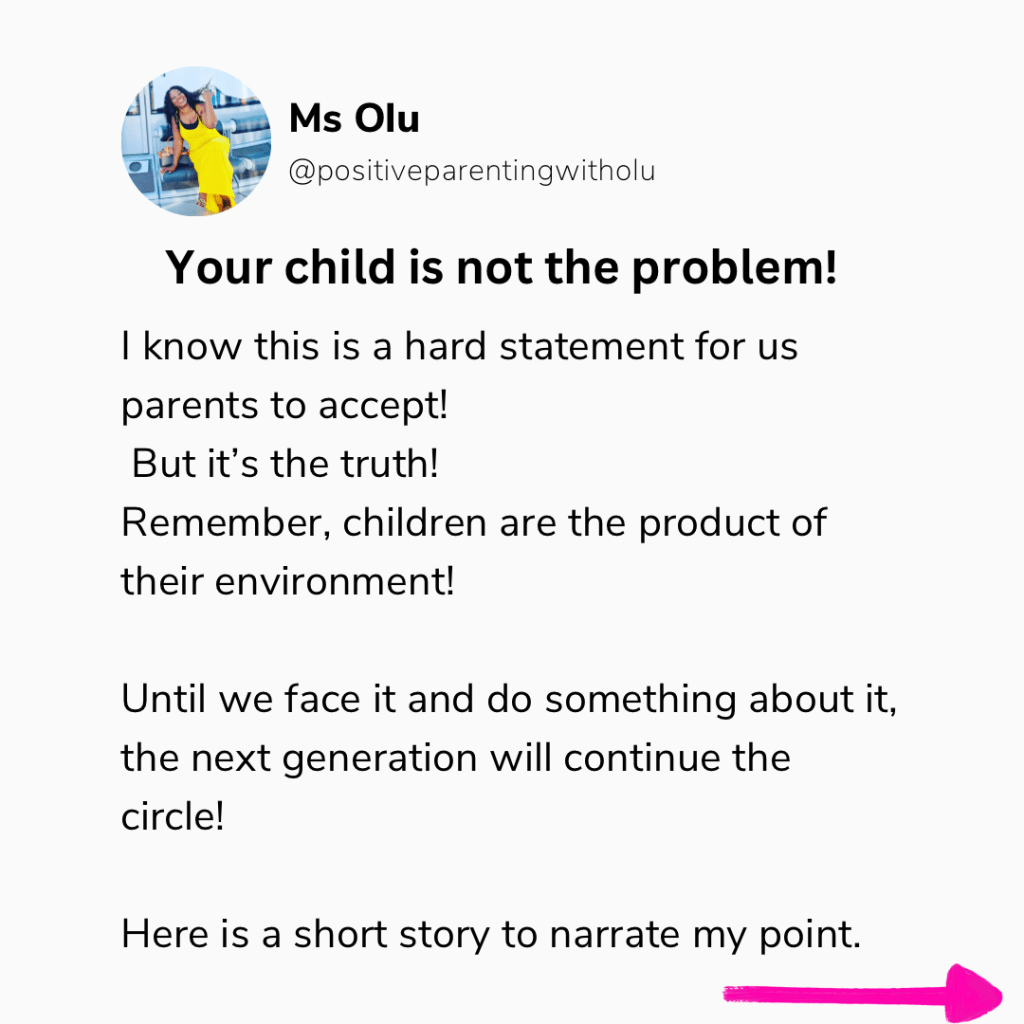
I know this is a hard statement for us parents to accept! But it’s the truth! ( children are the product of their environment!
But it’s the hard truth and until we face it and do something about it, the next generation will continue the circle!
Here is a short story to narrate my point.
A 4 year old was misbehaving in the mall, the mother yelled at him. And she realized he stopped but looked sad until they got home. The mother thinks she was right, until she realized that her mothering was wrong. All she was doing was reenacting all her emotional problems.
She watched her son’s light start dimming, he wasn’t himself anymore.
So she had to do something about it!
The mother was me! I’m so grateful that I did something about it!
That was the reason why I started Positive Parenting With Olu Podcast and blogging about Positive parenting.
That 4 year old boy will be 19 years old man by the end of this month! All glory to God!
He is like my friend now and I’m grateful to God for his life!
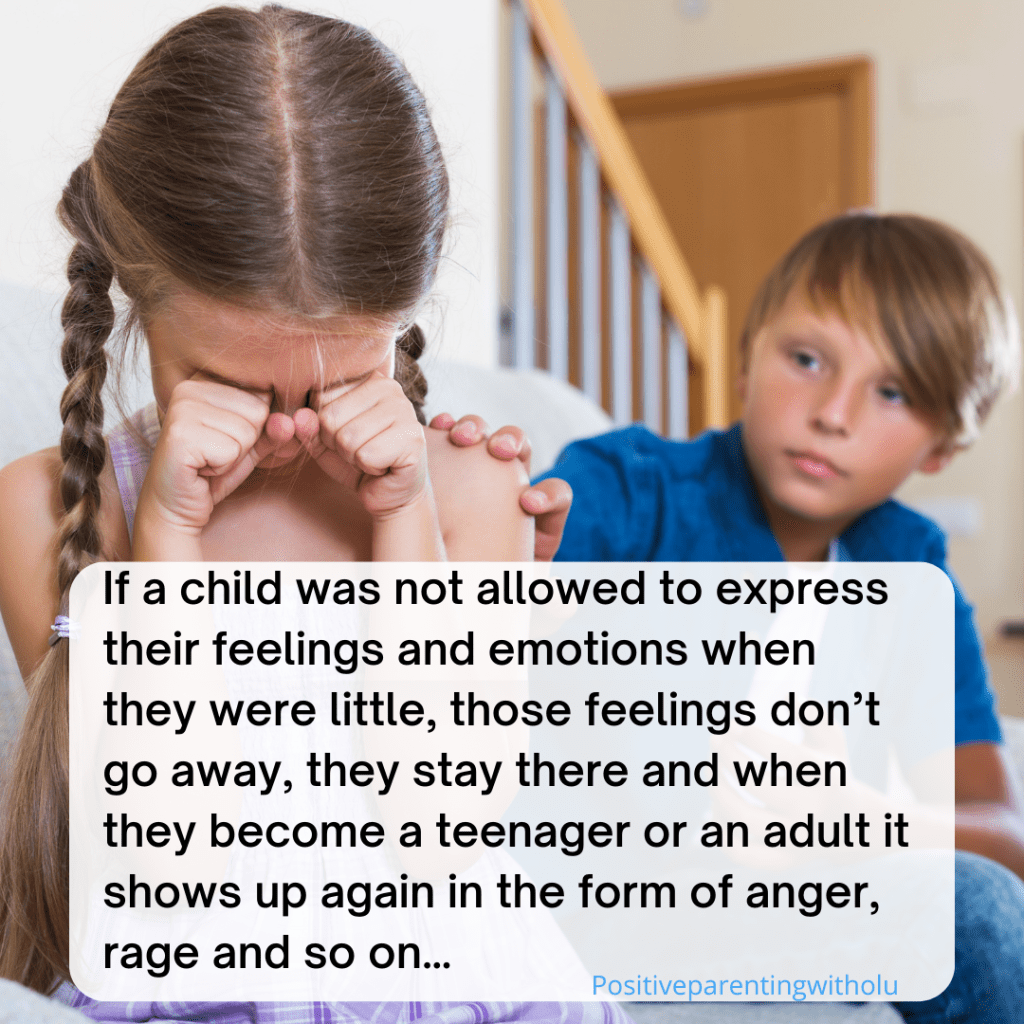
Most parents are not told that until they raise themselves, all they will be doing is projecting all their unmet needs, expectations, their fantasy onto their child!
So, our child is not the PROBLEM, we are!
Until we change our approach we will continue the circle and do unto our children all that has been done to us!
Let’s stop parenting the way we were parented, it will not work!
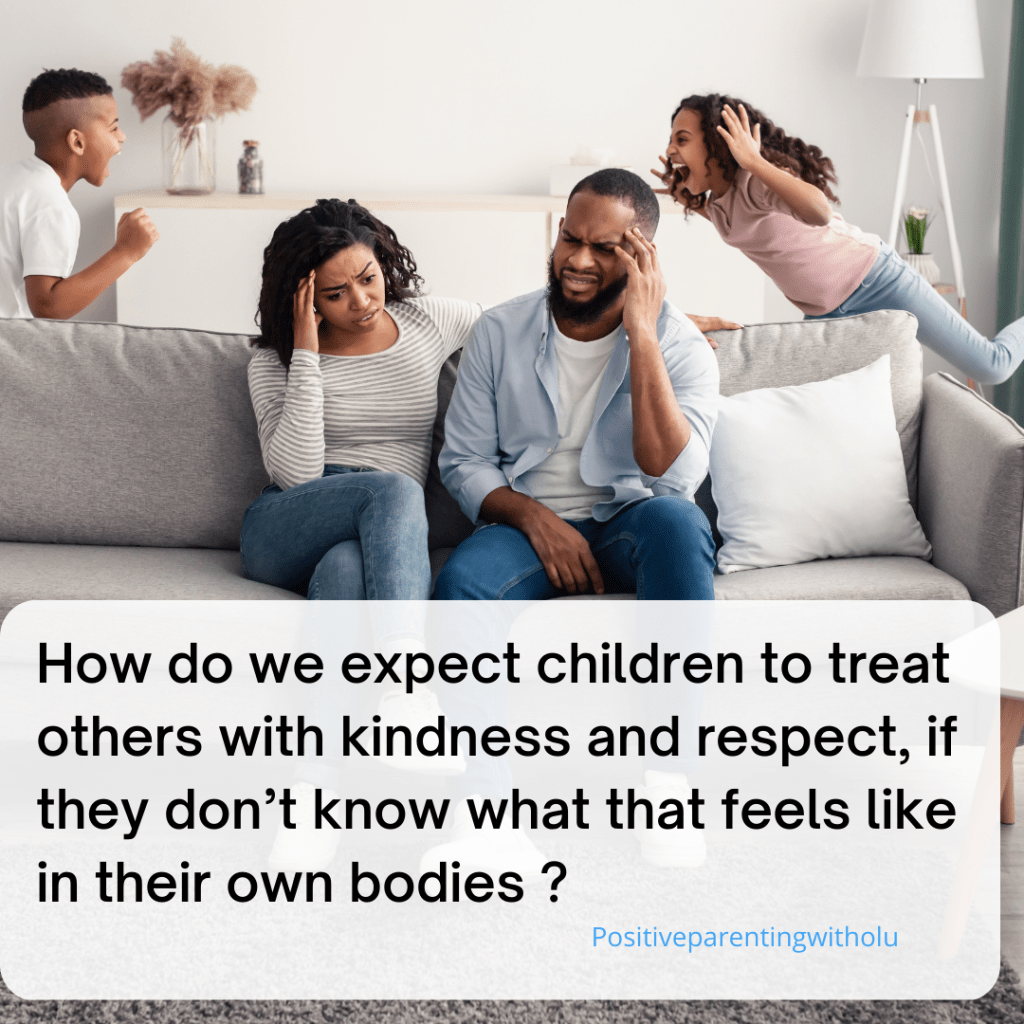
Parenting can be hard work! However I have come to realize that our children are not misbehaving on purpose, they are just acting out because their needs have not been met!
KIDS WILL BE KIDS!
So as adult we need to also act like an adults when kids are behaving like kids 😊
Stop reacting to everything your child does, every time you do that you’re pushing them away!
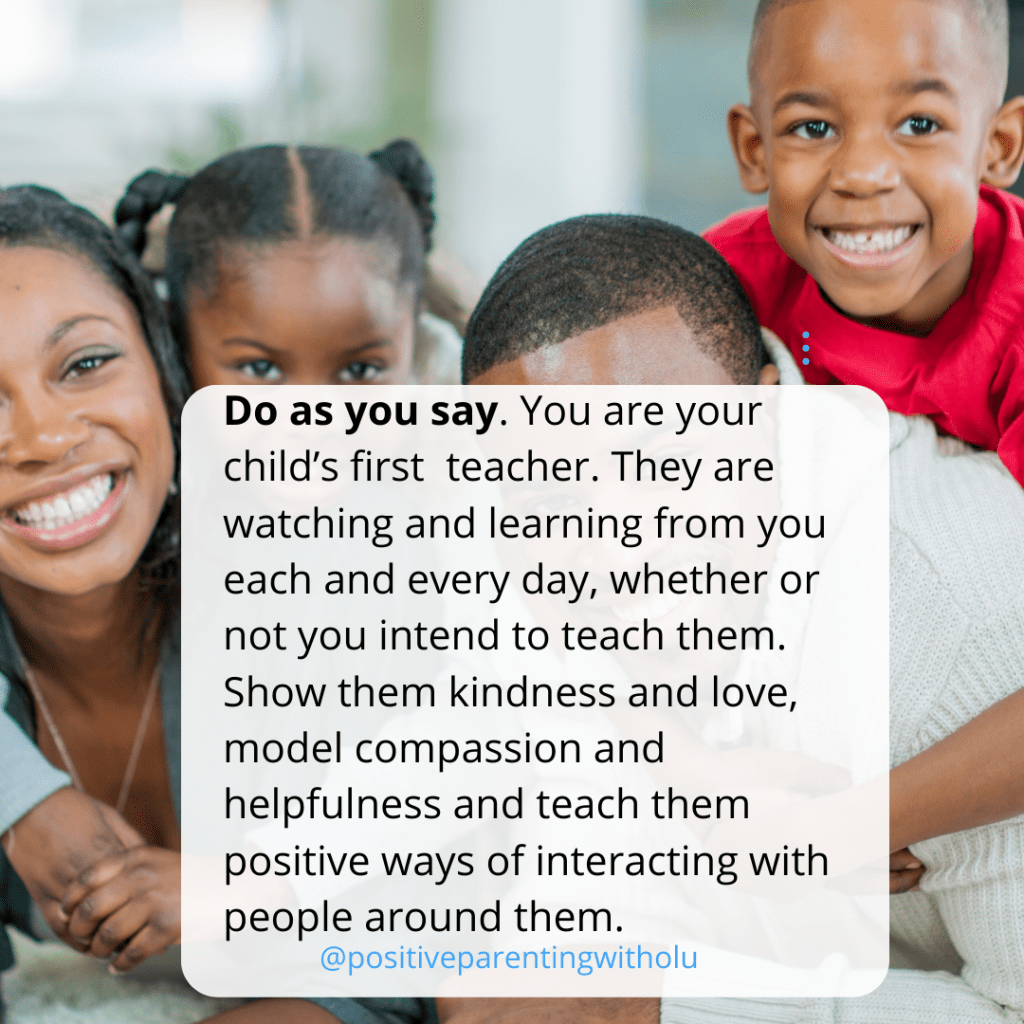
Be your child’s number one fan! Make your home a safe place for them!
Be kind and gentle with them, they are gifts from God!
Stop now, before it’s too late!
Things are happening!
We can change the world by how we parent our kids! Because they are the future
Yes, that’s right! We all have the power to choose.
That was what I spoke about yesterday at the Author’s event in my local library, where I read to some groups of school children who were between the ages of 10 & 11!
We talk about why it’s important to always make a right choice, because the choices we make will not only affect our day but also our future 😊.
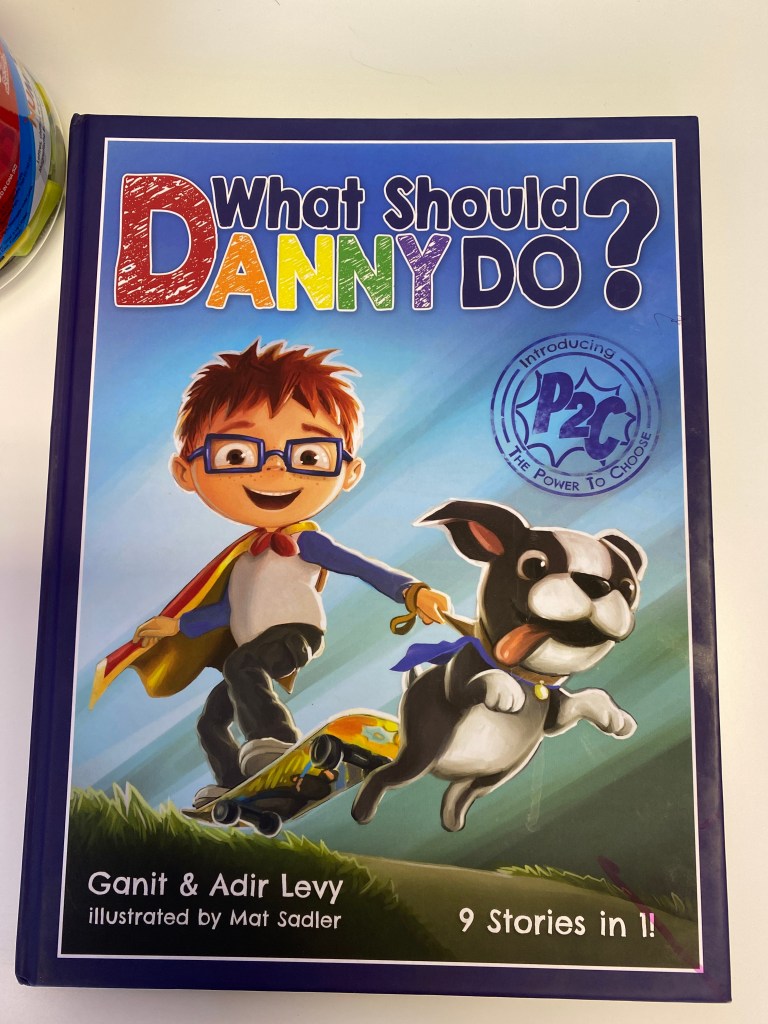
I used a book called-WHAT SHOULD DANNY DO? to illustrate my point about how we all have the power to choose. The kids were cheeky they kept asking me to read the part where Danny made a wrong choice. I later obliged them (it’s still work, because they saw that Danny’s day did not go well unlike when he made a right choice)
It’s an excellent book to use if you’re thinking of teaching your kids about the power to choose.
It’s available on Amazon if you want to get one.
My favorite part of the event is when some of the children come to me at the end of my talk to ask me questions.
I love what I do and I’m grateful for being able to impact these young people 🥰




 Positive Parenting With Olu