
‼️Learning Styles: Identifying Your Child’s Strengths.
Dear parents, we need to keep our eyes and ears open to figure out what works best for our children when it comes to learning.
❇️Some children are hands-on, while others work best through language and do well with reading.
❇️Some children understand things better than they remember them.
❇️There are many different patterns of learning, and the best thing that you can do as parents is to step back and observe what seems to be happening and what seems to be working with your child.
‼️We need to start paying attention to our child’s learning style from an early age of 6 or 7.
❇️Understanding your child’s general attitude to life can also help you determine his or her learning style.
👉For example, is your child adventurous?
Inventing?
Or thinking/creating like a poet or a philosopher?
❇️An adventurous personality really has to move to learn, so sitting at a desk all day doesn’t do it for them.
❇️ A child with an inventing disposition asks a million questions, such as ‘How does this work?’ ‘What about this?'”
‼️Another thing to observe is your child’s “learning modality”
This refers to which senses your child best learns through.
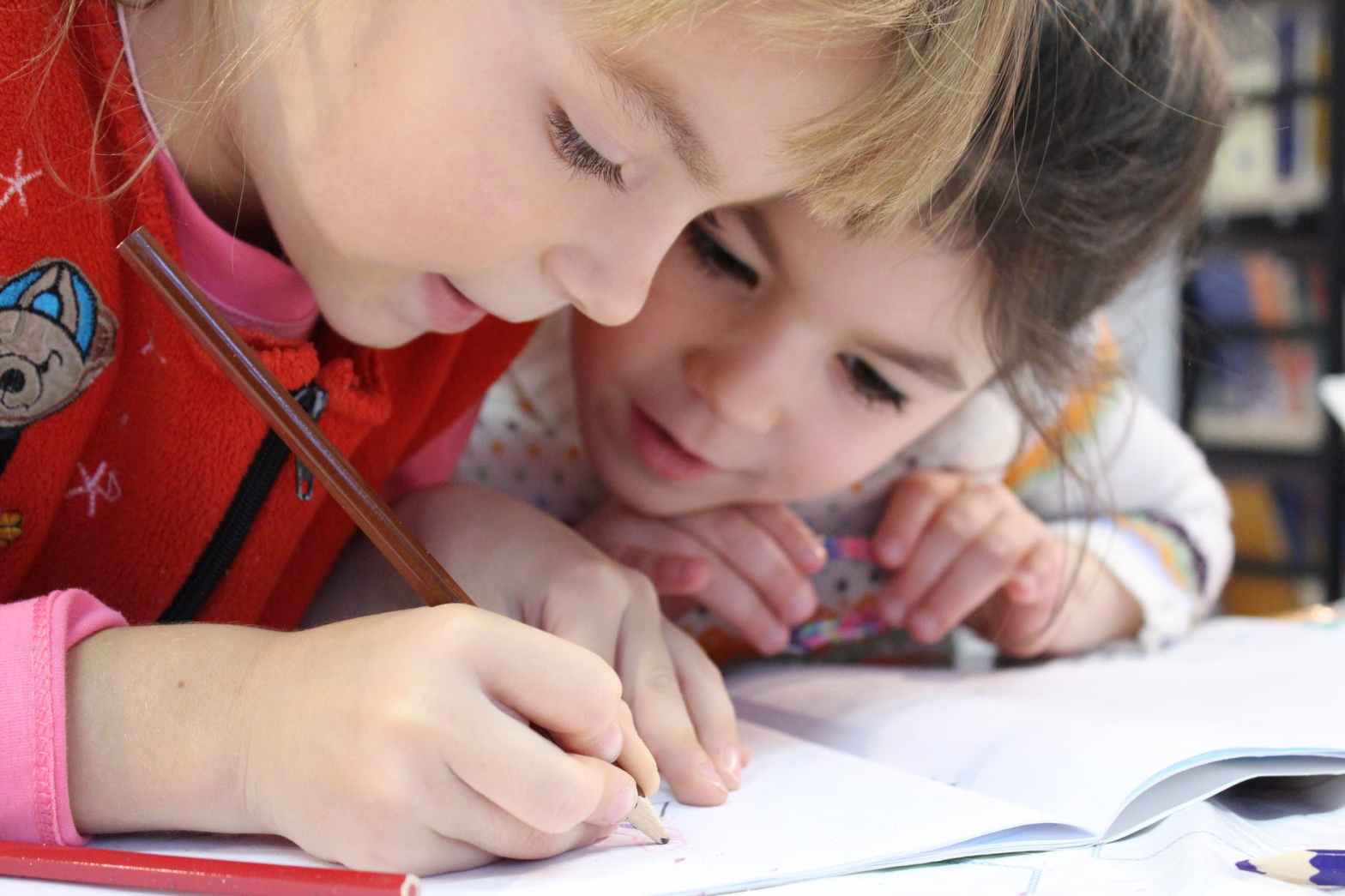
👉Are they auditory (listening and verbal), visual (picture or print), or tactile-kinesthetics (hands-on, whole-body, sketching or writing)?
❇️Some children are more visual and need pictures to learn, while writer learners need words.
❇️Another aspect of learning style involves the environment. For example, noise, temperature or lighting may affect some children’s ability to learn.
❇️For one child, temperature might not make a difference, but some children can’t concentrate if it’s too hot, and/or lighting can be a crucial factor for some people if fluorescent lighting causes eyestrain.
‼️LEARNING STYLES: Playing to Your Child’s Strengths
👉Once you have identified your child’s learning style, you can begin to build on his or her strengths to compensate for learning weaknesses — without labels.
🥰If a little girls has a lot of spatial problems (difficulty picturing things), but is terrific in English, she can learn math by putting everything into her own words.
If you show her a rectangular shape and ask her to talk about it, will she understand it?
❇️She can only understand things in words, which is why she is such a terrific English student.
👉Another way to enhance learning is to focus on your child’s affinities and areas of interest.
❇️A lot of strength could ride on the aid of their passions, and you can build academic skills in that area.
❇️Have them become an expert in the area that they feel passionate about.
👉We really should encourage our children’s interests, talents and what they love to do.
♦️Parents tend to say ‘If you are not doing well in school, you can’t take swimming lessons,’ but those are things that can build self-esteem.
💟My final thoughts
Acknowledging and honoring their interests and talents tells you a lot about their learning style.
If your child is really interested in plants and gardening, you can see if they are more hands-on and they need to go out there and garden. Or do they learn better from pictures about gardening, or reading about gardening?
So, dear parents, do you know your children’s learning styles? Leave a comment below if you do 👇👇👇
#positiveparentingwitholu
#learningstyles
#kidsareawesome
 Positive Parenting With Olu