Different children crave for different kinds of attention and affection, and in this post. I am going to help you figure out which matters the most to your child so she can feel truly adored.
My soon to be 17 -year -old son is this type of kid who you can trust to listen to you when you ask him to do something. Thus, when I receive a phone call from his school about his bad behaviour, I Immediately recognise that I must have ignored him that week, or probably something was bothering him and I must have missed it. Now that I am aware that, most misbehaviour in kids are often a cry for help, my solution would always be to find time to talk to him and reconnect with him. And even though he is nearly 17, he still comes to give me hugs, only when we are alone. He also loves words of affirmation, and I tell him almost every morning that I love him. He loves that (Our boys needs to hear these words too) I later realised that my son’s love language are words of Affirmation and hugs (physical touch)
We all experience love and express it in the same five ways through physical touch, gifts, words of affirmation, active service and quality time.
But, every one has one that matters most, It’s not enough to love your kids, you have to know how to communicate love to your child so that he genuinely feels loved. I realise that the verbal reassurance I’d been giving my son didn’t mean nearly as much to him as hugs, cuddles and other hands on display of affection. Even though he may not think so if you ask him, since he thinks of himself as a grown man.
The first step in identifying your child’s primary love language is to pay attention to how he shows you love. Why? We all tend to offer affection in the way we wish to receive it. However, we need to learn how to give love to others in the way that works for them.
*For example, your love language maybe gifts and you may decide to do the same for your kids, however their love language maybe physical touch.
So, lets take a look at ways your child may speak or ask for his love language ;
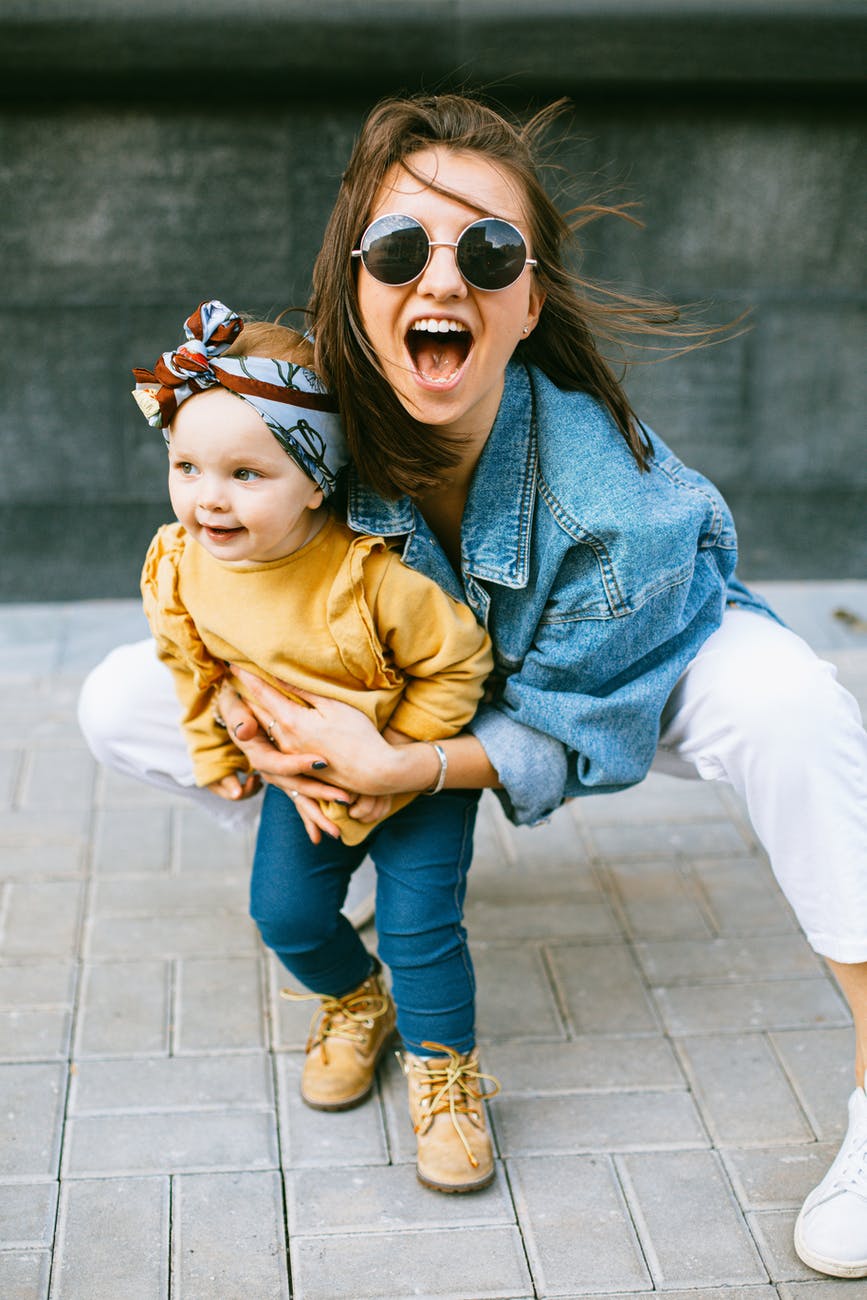
- CUDDLE ME, PLAY WITH ME! Though a hug may say, ‘I love you’ to all kids, for ones who adore physical touch, it shouts, ” I LOVE YOU!”
Is this your child?
If your children are constantly in your space touching you or playing with your hair or holding your body, that’s a signal that they need to be touched more. So hug and play with them, put them on your lap and just play with them.
2. PRESENT/GIFTS PLEASE!” Children who feel loved when they receive things aren’t just pandering for more stuff.
Is this your child?
Someone whose primary love language is gifts tends to care about how a present is wrapped, and he often remembers who gave him what for months or years after the fact. If your kid have trouble throwing things out, even if he hasn’t looked at them in ages, that may be his love language, As a parent you need to express love to him this way, since your child sees a gift as a symbol of your love. It may be something as simple as ice cream or stickers. But we have to be careful not to overdo it. We need to give gifts that are appropriate for their age and will be helpful to them rather than just what they want.
3. TALK TO ME! For kids who listen intently and speak sweetly, your loving words matter most.
Is this your child?
If your child’s face light up every time you say something nice to them or they say nice things to you too. That is a signal that could be their love language.
My son sometimes says something nice to me such as, “Mum you look great this morning”. So, I do the same to him.
You can express love this way; – You can write little notes and put it in their lunchboxes, or send them a lovely text or you can give them a postcards that says words like, ” You’re the best thing in my life”. Simply try to say positive things to them often. You will see the difference in their behaviour. Trust me it works!
4. YOU DO IT FOR ME – Acts of Service is the strangest love language. But kids who speak it appreciate thoughtful gestures, like a 10 year old begging you to tie his shoelaces for him.
Is this your child?
Your 10 year old child may ask you to do some strange things for them, like fixing his broken toys or changing his bed sheets for him.
You can express love this way; – You don’t have to jump at every request. But as these children are growing, its important to encourage self reliance and expect them to do what they can themselves at each stage of development. The best you can do for your child is walking him through a new process and teaching him step-by-step how to be more capable.
5.SPEND TIME WITH ME: These children feel most valued when you choose to spend time with them
Is this your child?
If your child often say things like, “Mum, watch this” or “Play with me” they are begging for quality time.
You can express love this way, – Offer undivided attention; it doesn’t have to be long, let your child choose the activity.
Please note, – If your child’s love language is quality time and your method of discipline is putting her in a room and isolating her, that’s a harsh punishment to her.
MY FINAL THOUGHTS
I believe that love language are like personality traits that stays with us for life. Remember your child’s preference might seem to change from moment to moment and stage to stage. A toddler who craves hugs may grow into an 8 year old who doesn’t like physical touch.
Pay attention to your child’s reactions and about the types of love she needs in any given moment and there is no doubt that you will continue to connect to reconnect as she grows.
So, guys what’s your children’s Love language or yours?
Please leave a comment below if you want.
Thank you
Olu
#freeparentingtipstuesday
 Positive Parenting With Olu